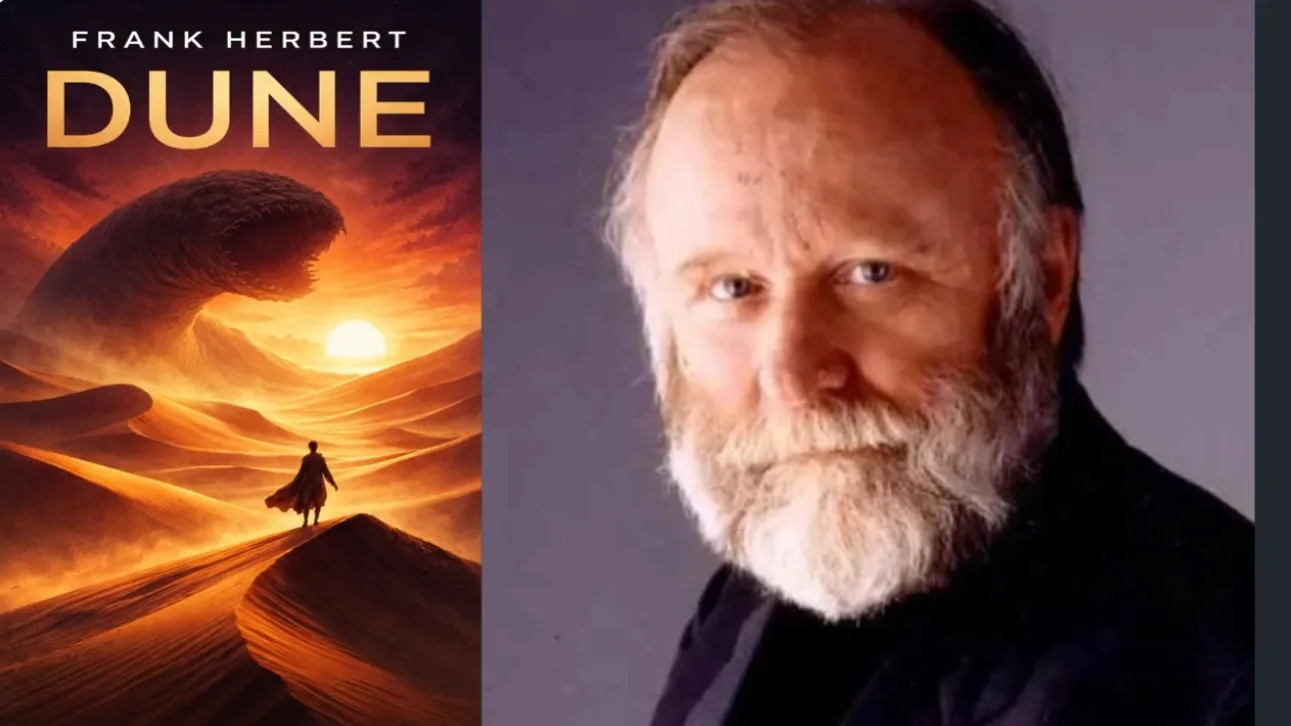
The Scent of a Story: Frank Herbert, Functional Scent and Obsession
How Frank Herbert fills Dune with the heavy scent of spice, making one commodity permeate the planet’s ecology, economy and people.
Read the article →Blog & resources
How Frank Herbert fills Dune with the heavy scent of spice, making one commodity permeate the planet’s ecology, economy and people.
Read the article →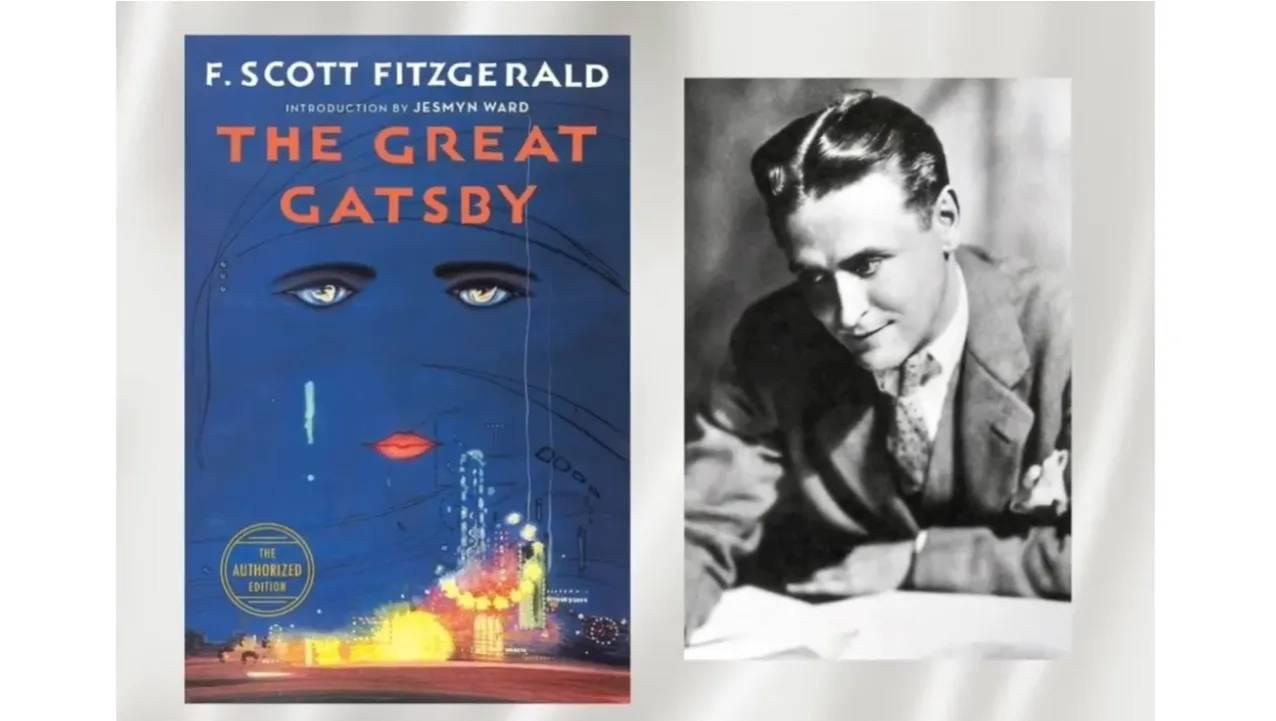
How F. Scott Fitzgerald perfumes Gatsby’s mansion with flowers that sparkle, froth and advertise the cost of belonging.
Read the article →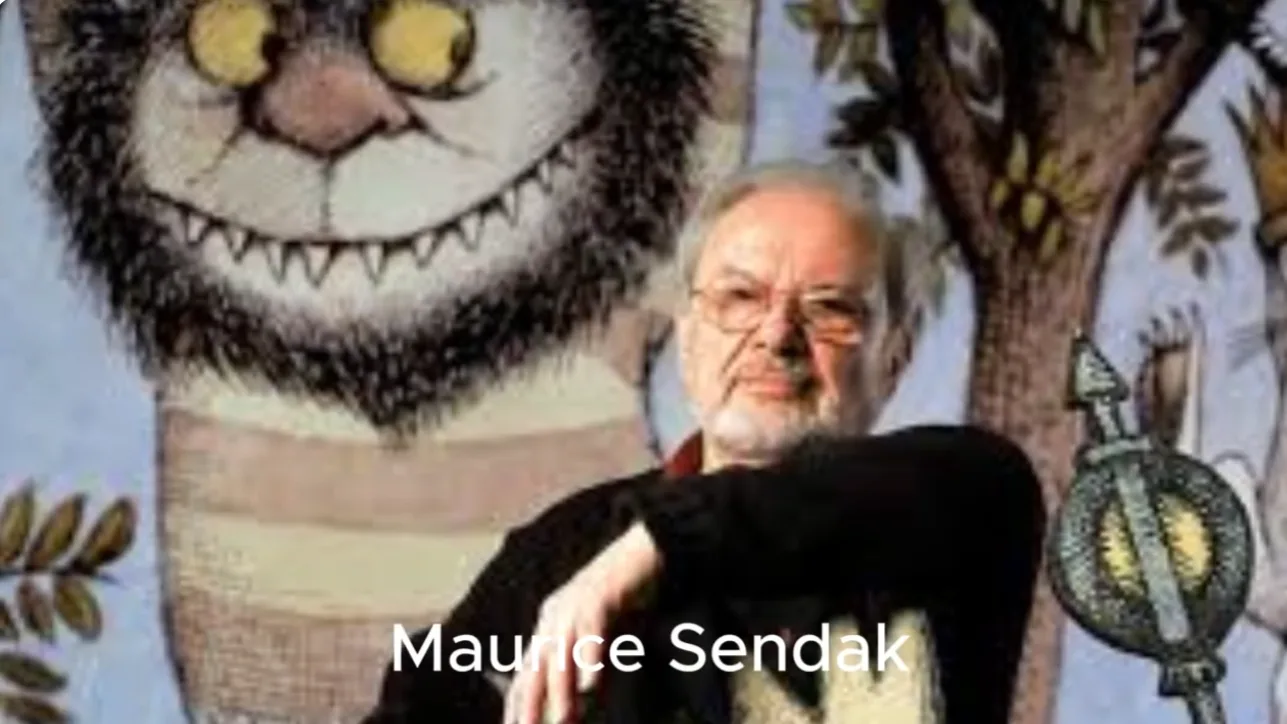
How Maurice Sendak uses the smell of supper to call Max home from the wildest reaches of imagination.
Read the article →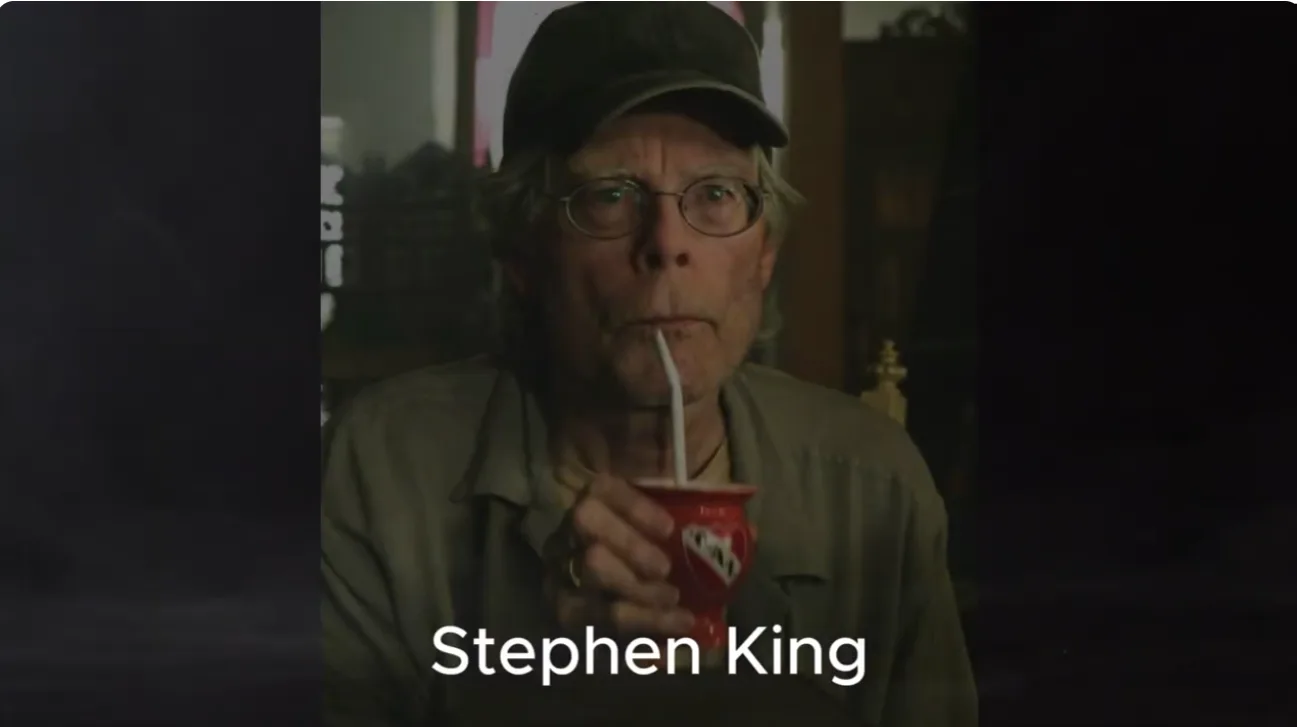
How Stephen King combines the smells of living bodies and physical decay to create creatures that violate the boundary between life and death.
Read the article →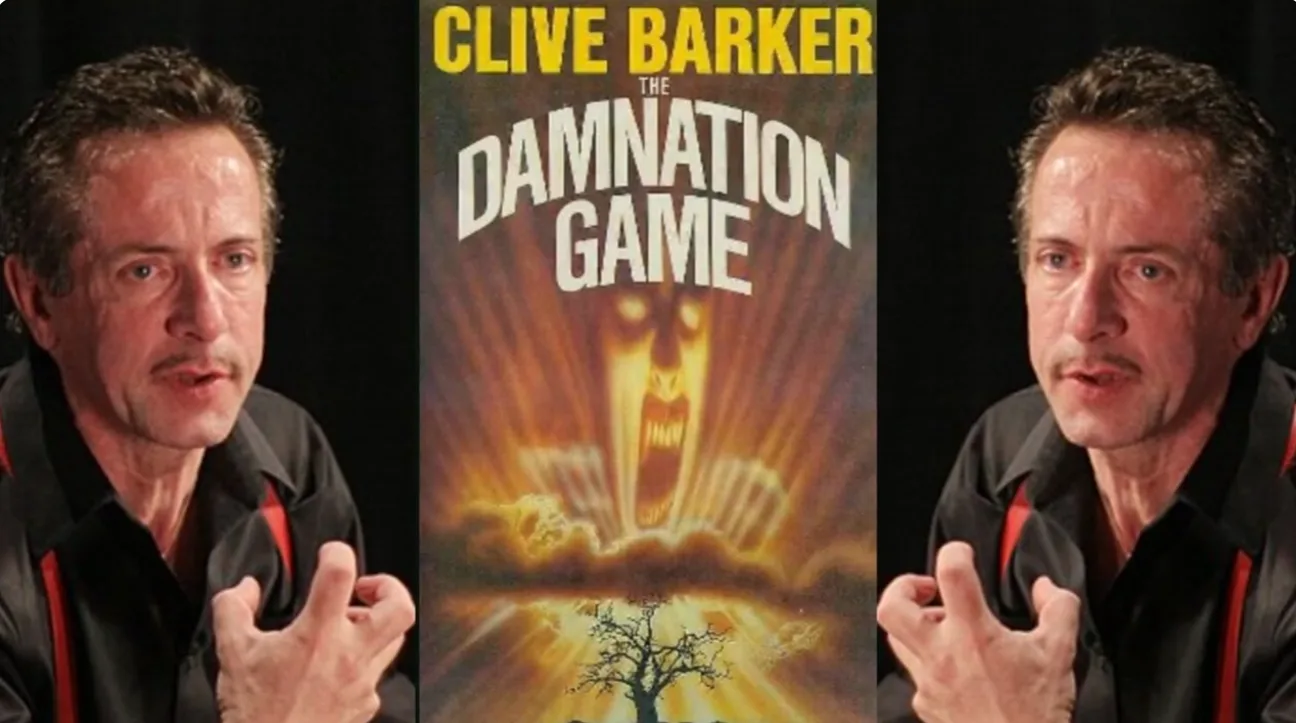
How Clive Barker turns blood, sweat and bodily decay into evidence that reveals horror before his characters can see it.
Read the article →
How Toni Morrison uses sensory traces and rememory to make the past enter a character’s physical present.
Read the article →
How Leigh Bardugo uses fish, bilge water and refinery smoke to reveal Ketterdam’s geography, industry and social order.
Read the article →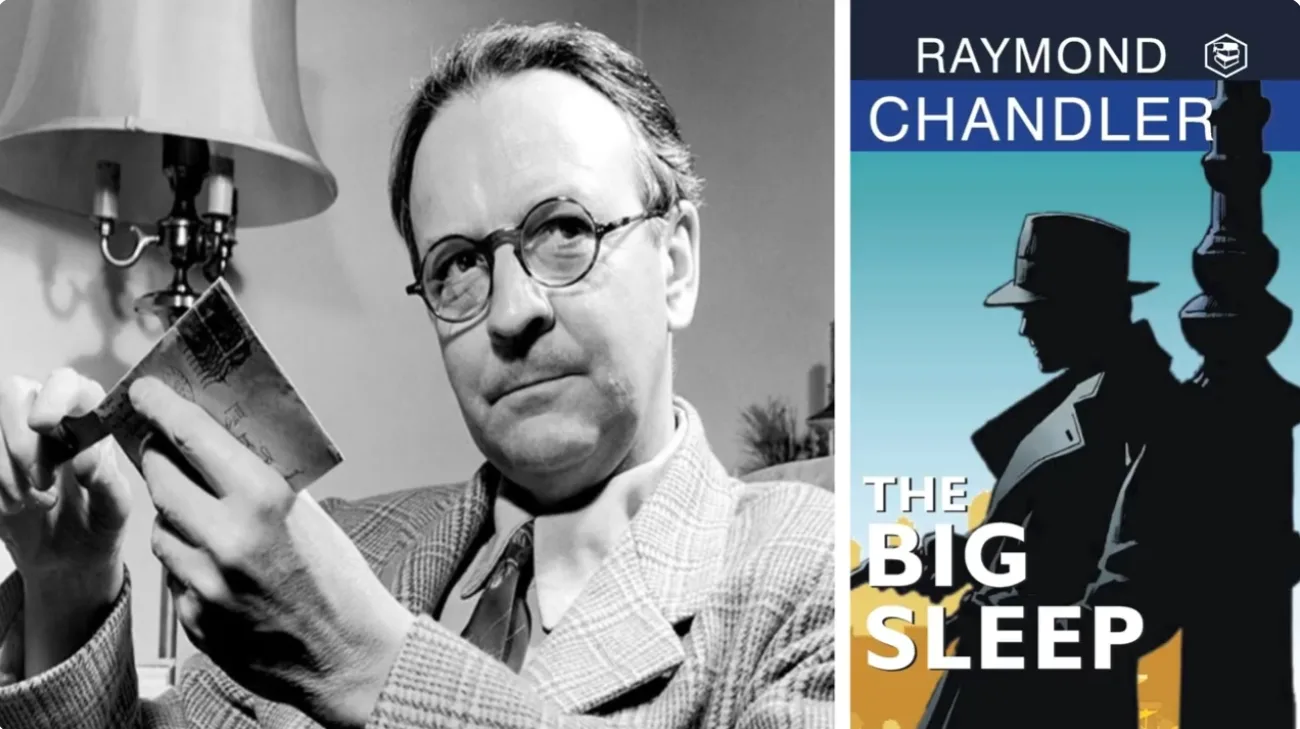
How Raymond Chandler transforms orchids, perfume and poisoned air into signs of moral corruption in The Big Sleep.
Read the article →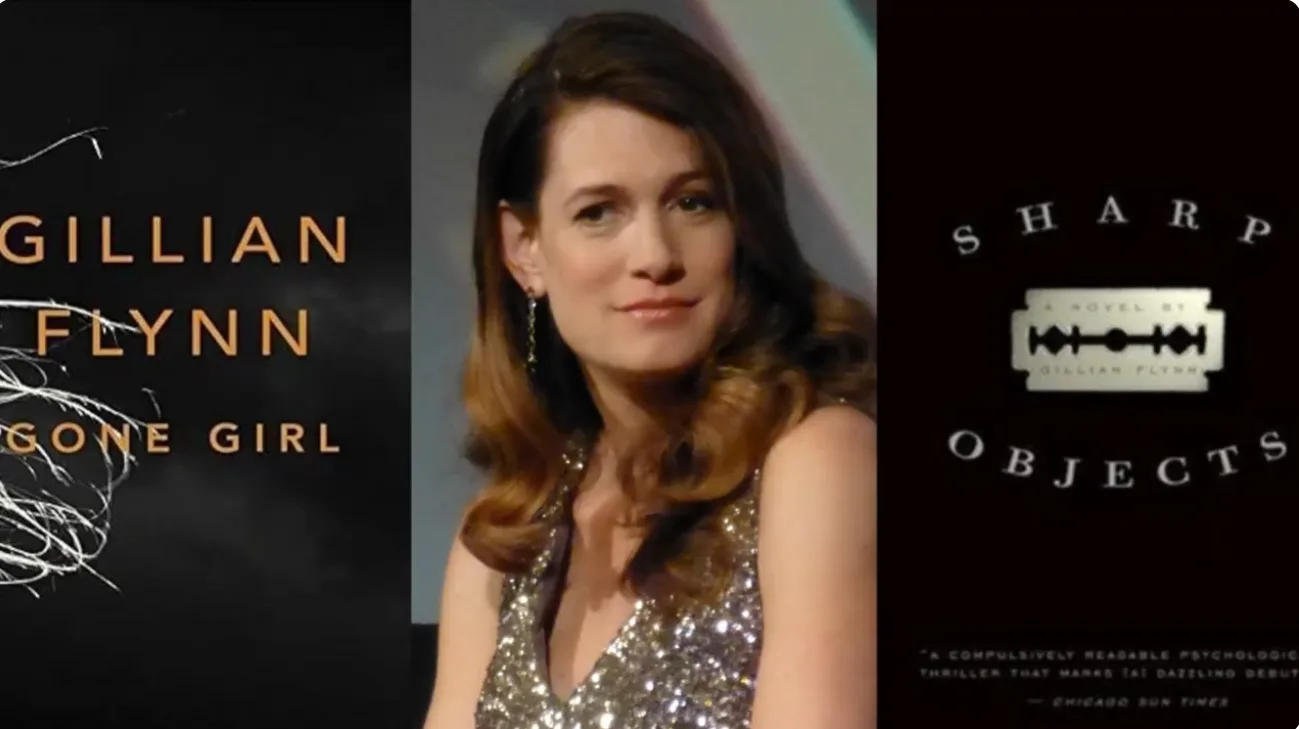
How Gillian Flynn turns clean rooms and pleasant fragrances into warning signs that something ugly is being concealed.
Read the article →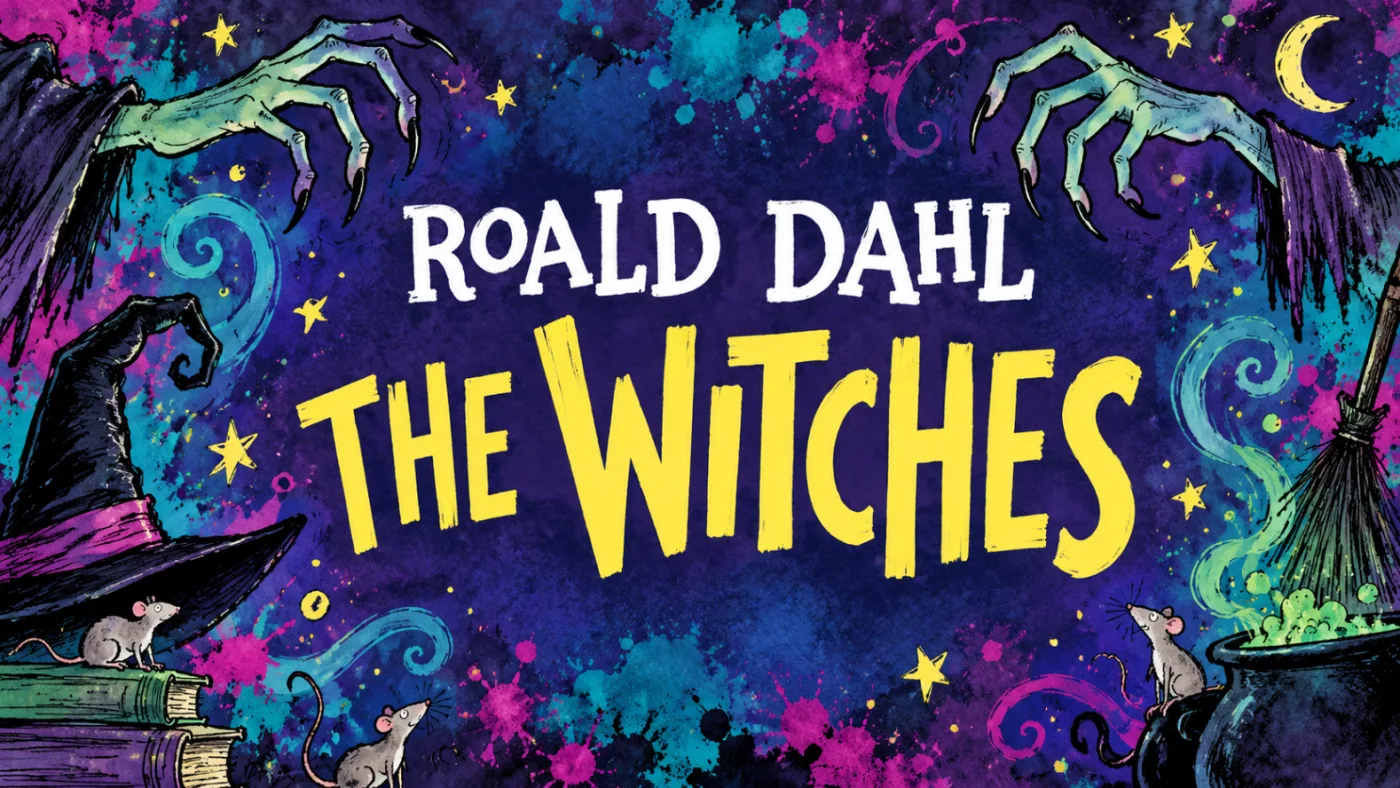
How Roald Dahl uses one revolting smell to reverse a child’s perspective and make an imaginary danger feel instantly real.
Read the article →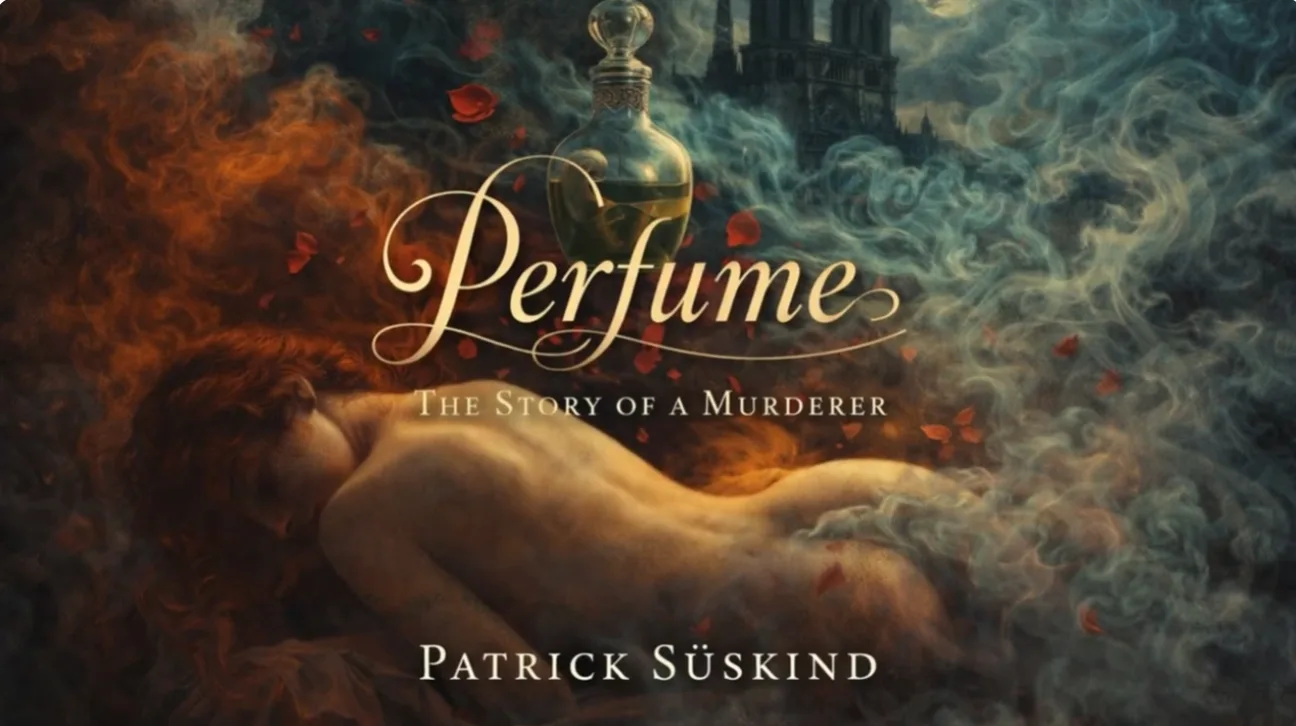
How Patrick Süskind layers the beautiful and disgusting smells of Perfume until the reader feels trapped inside another person’s nose.
Read the article →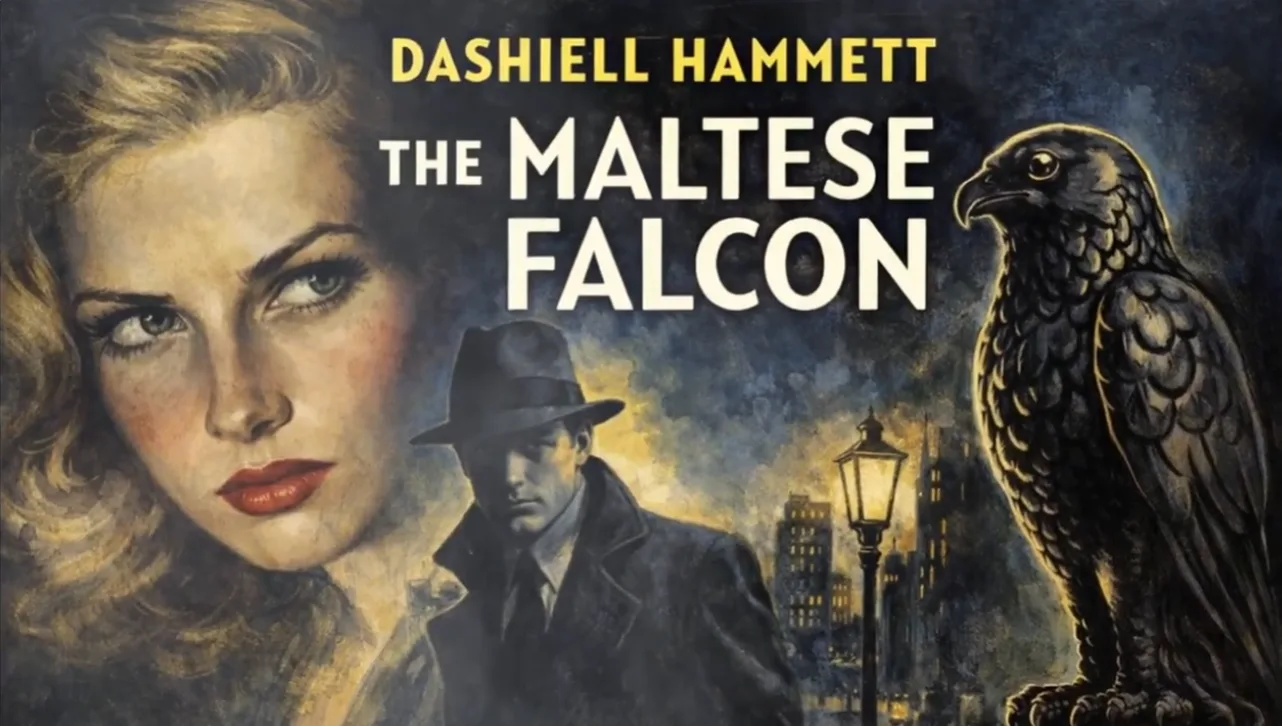
How Dashiell Hammett uses ringing bells, creaking beds and sudden impacts to make every sound perform an action.
Read the article →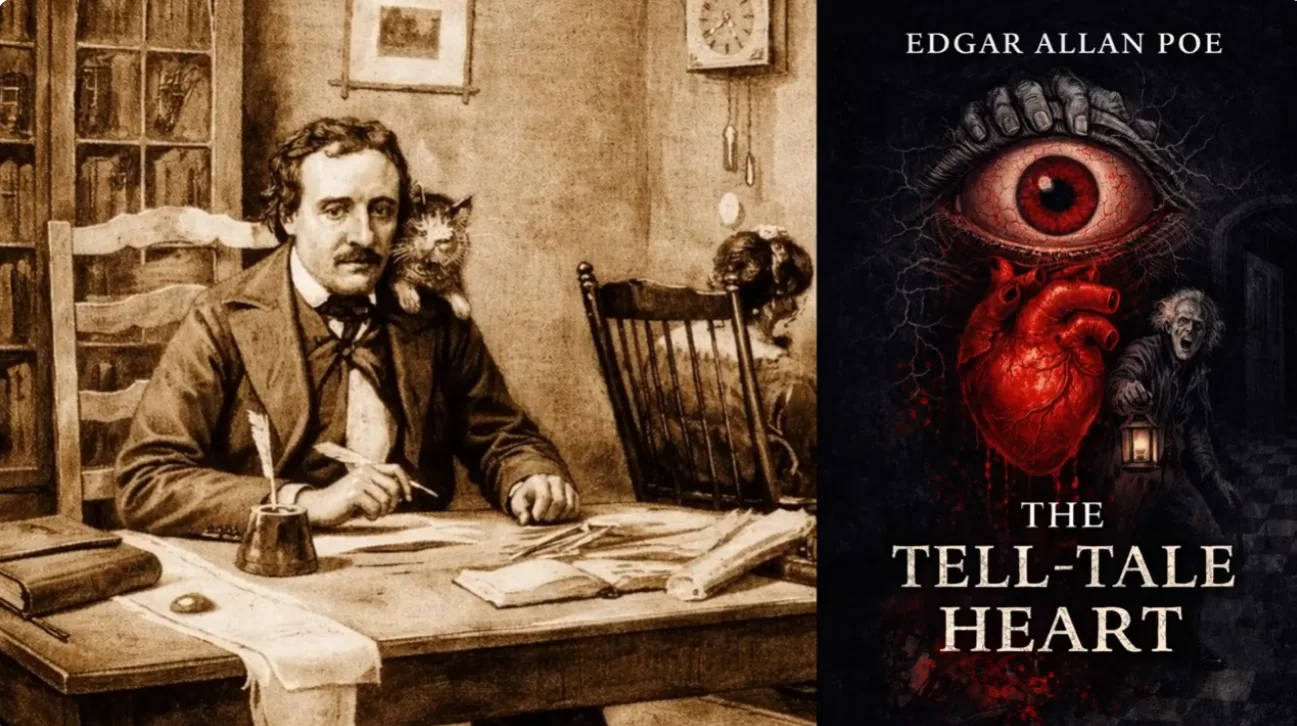
How Edgar Allan Poe turns one muffled heartbeat into an unbearable rhythm of terror, guilt and confession.
Read the article →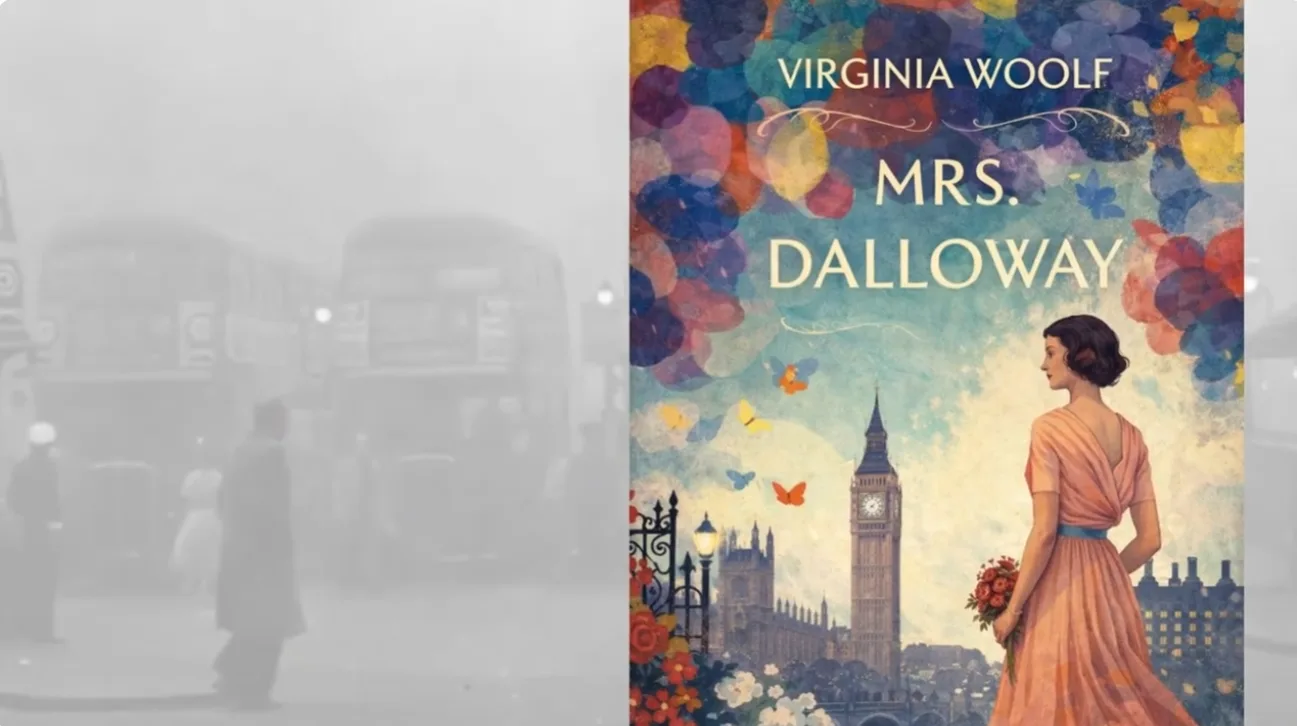
How Virginia Woolf turns the chimes of Big Ben into the sound of memory, mortality and a city sharing one moment.
Read the article →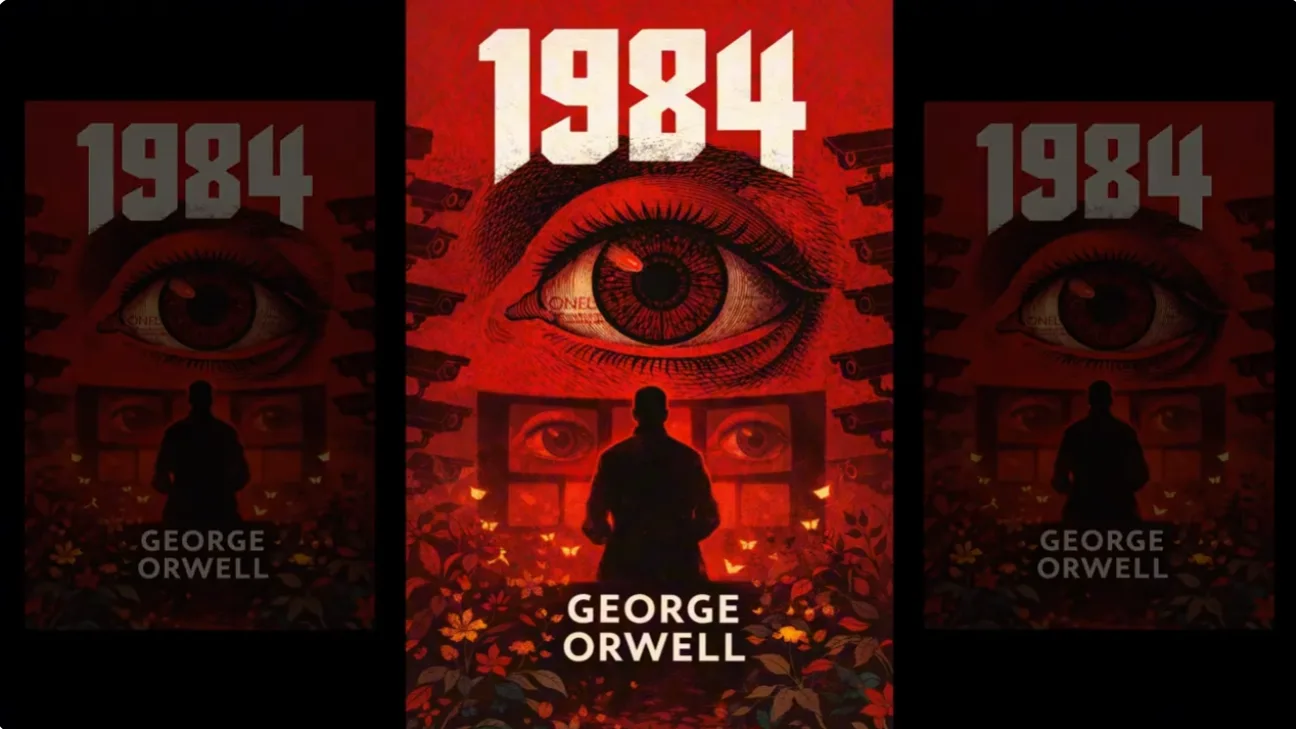
How George Orwell uses barking screens, marching boots and mechanical voices to make oppression something the reader can hear.
Read the article →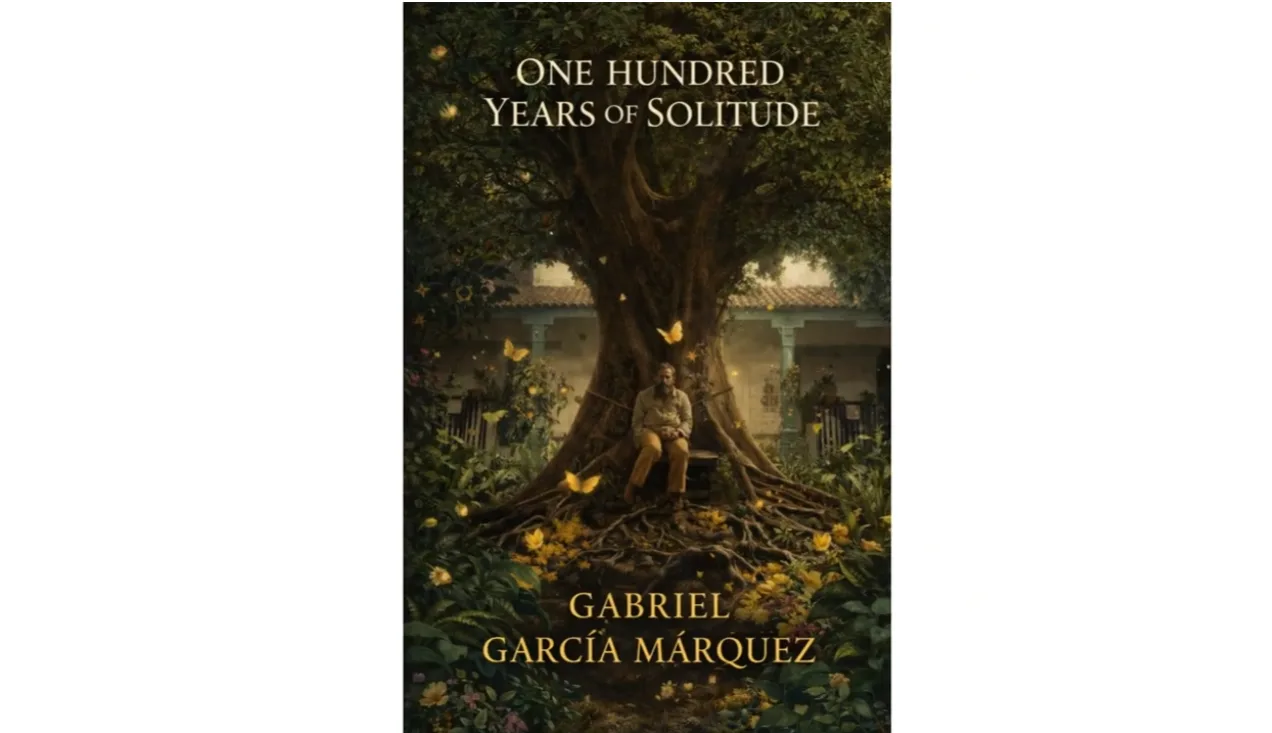
How Gabriel García Márquez surrounds a silent block of ice with noise, wonder and the unforgettable sound of discovery.
Read the article →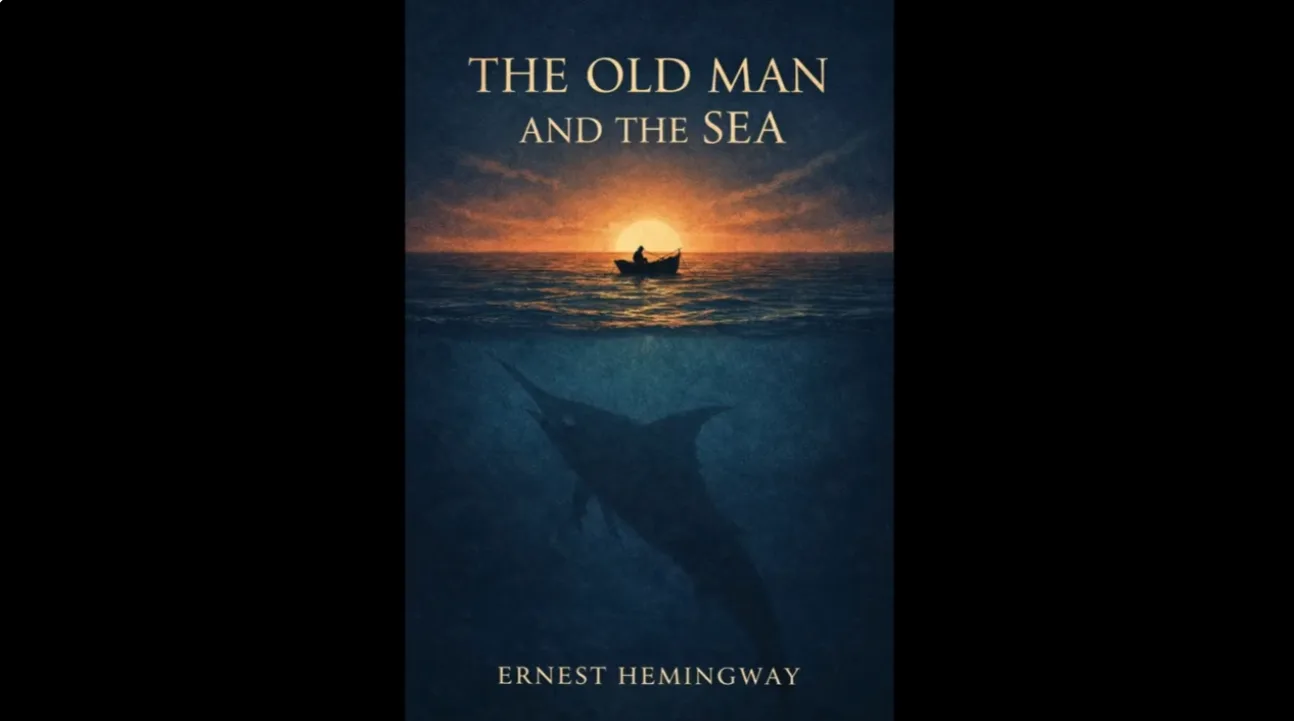
How Hemingway makes us hear the speed, weight and power of a great fish hidden beneath the ocean.
Read the article →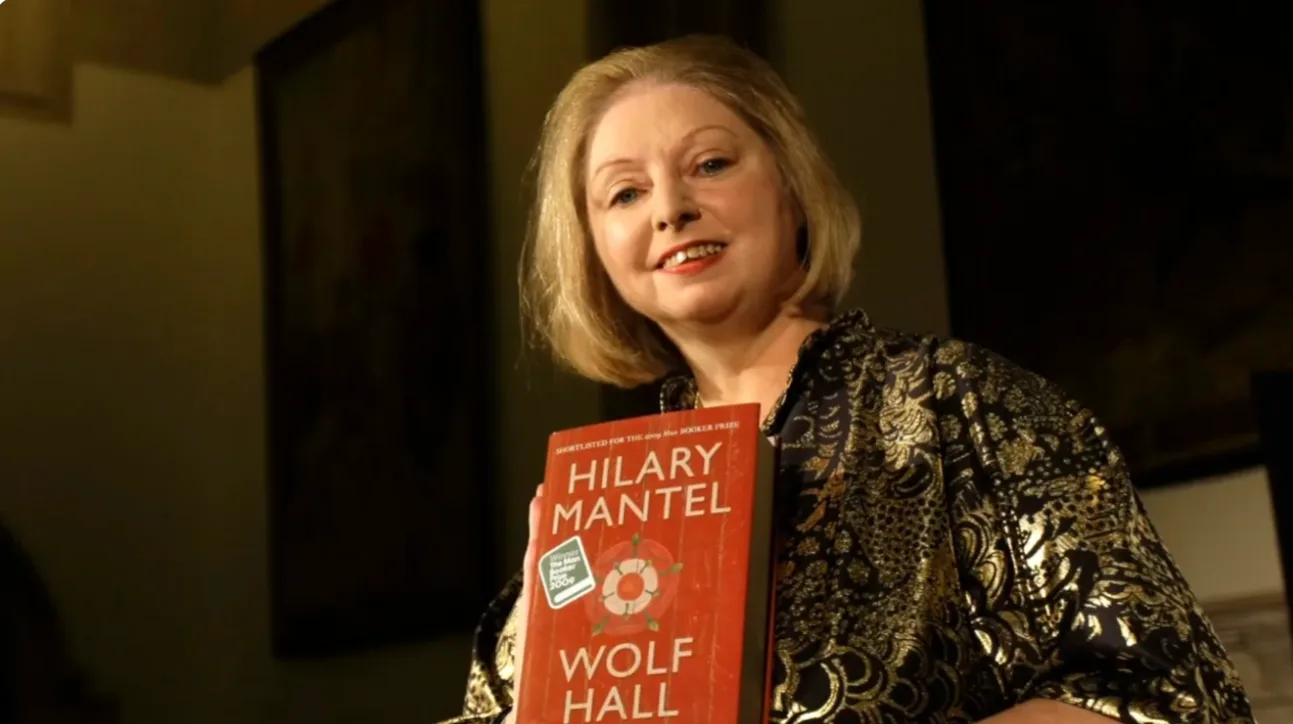
How Hilary Mantel turns whispers, footsteps and overheard fragments into the intelligence network of Henry VIII’s court.
Read the article →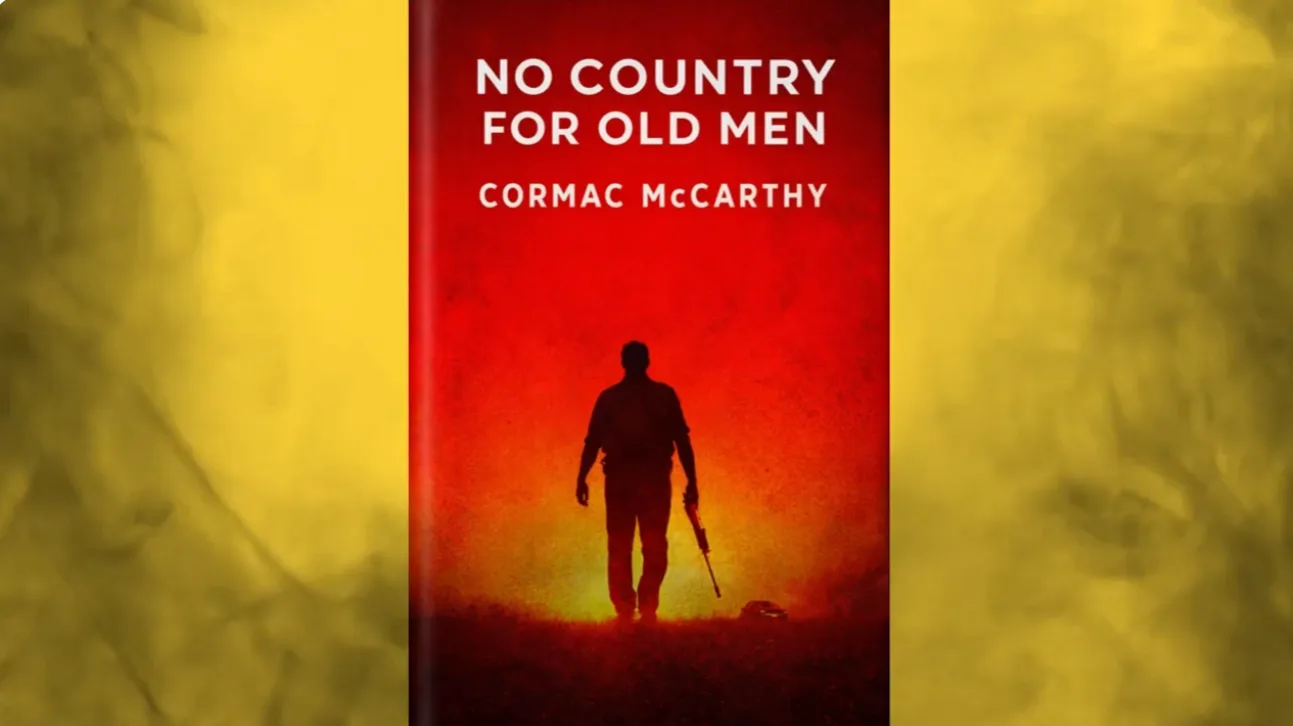
How Cormac McCarthy turns one pneumatic click into the sound of a life ending—and a door that can never reopen.
Read the article →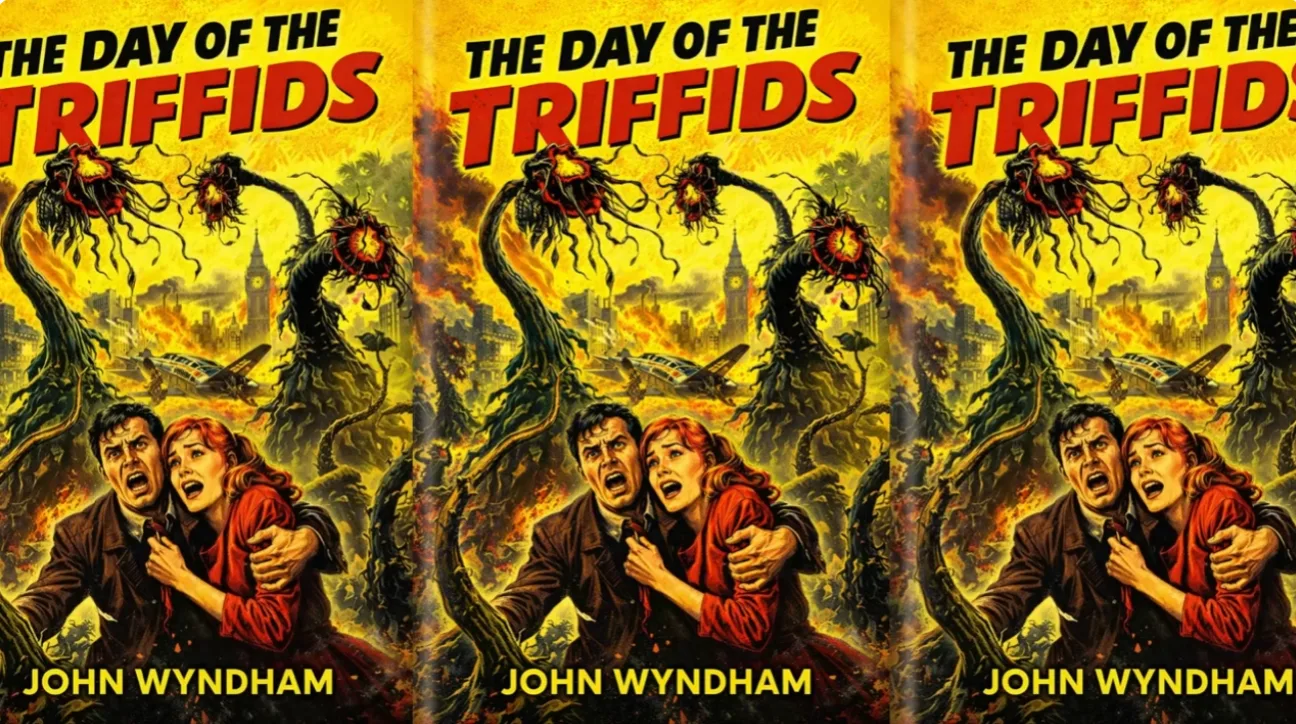
How John Wyndham gives walking plants an inhuman language—and turns an ordinary garden sound into a warning of coordinated attack.
Read the article →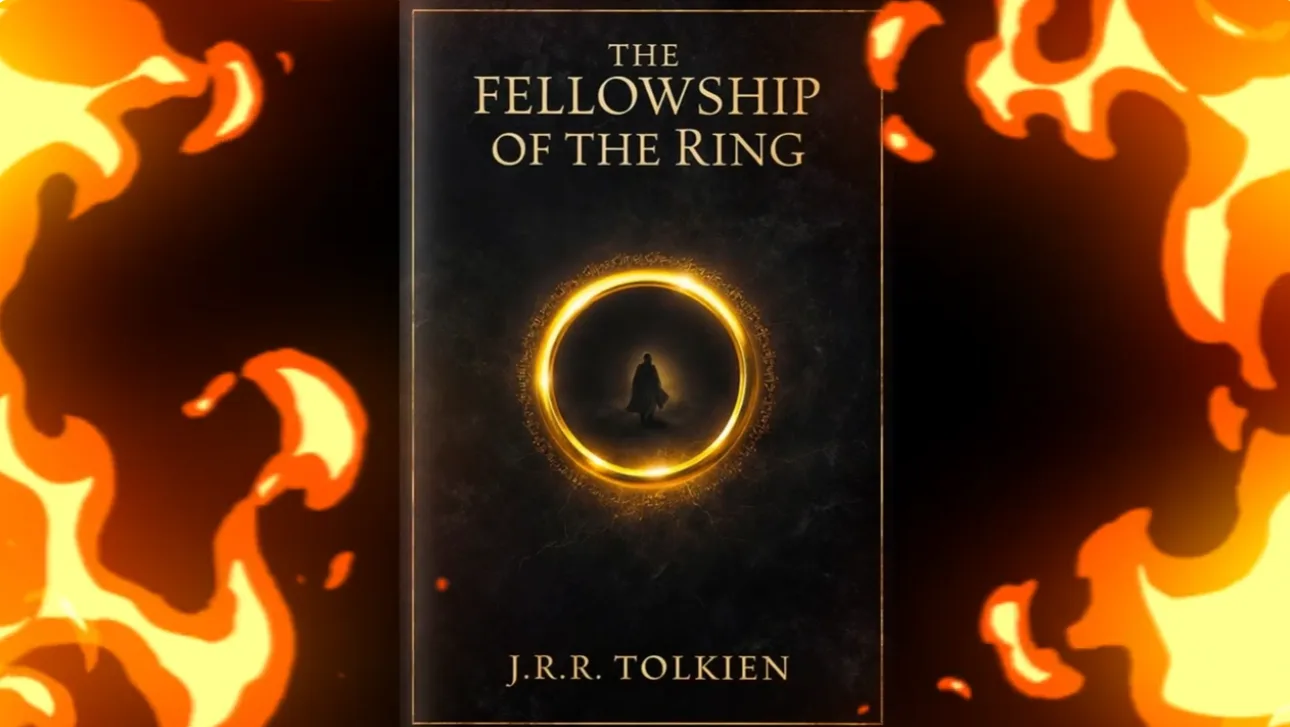
How Tolkien turns a single drumbeat into the sound of an enormous and inescapable fate.
Read the article →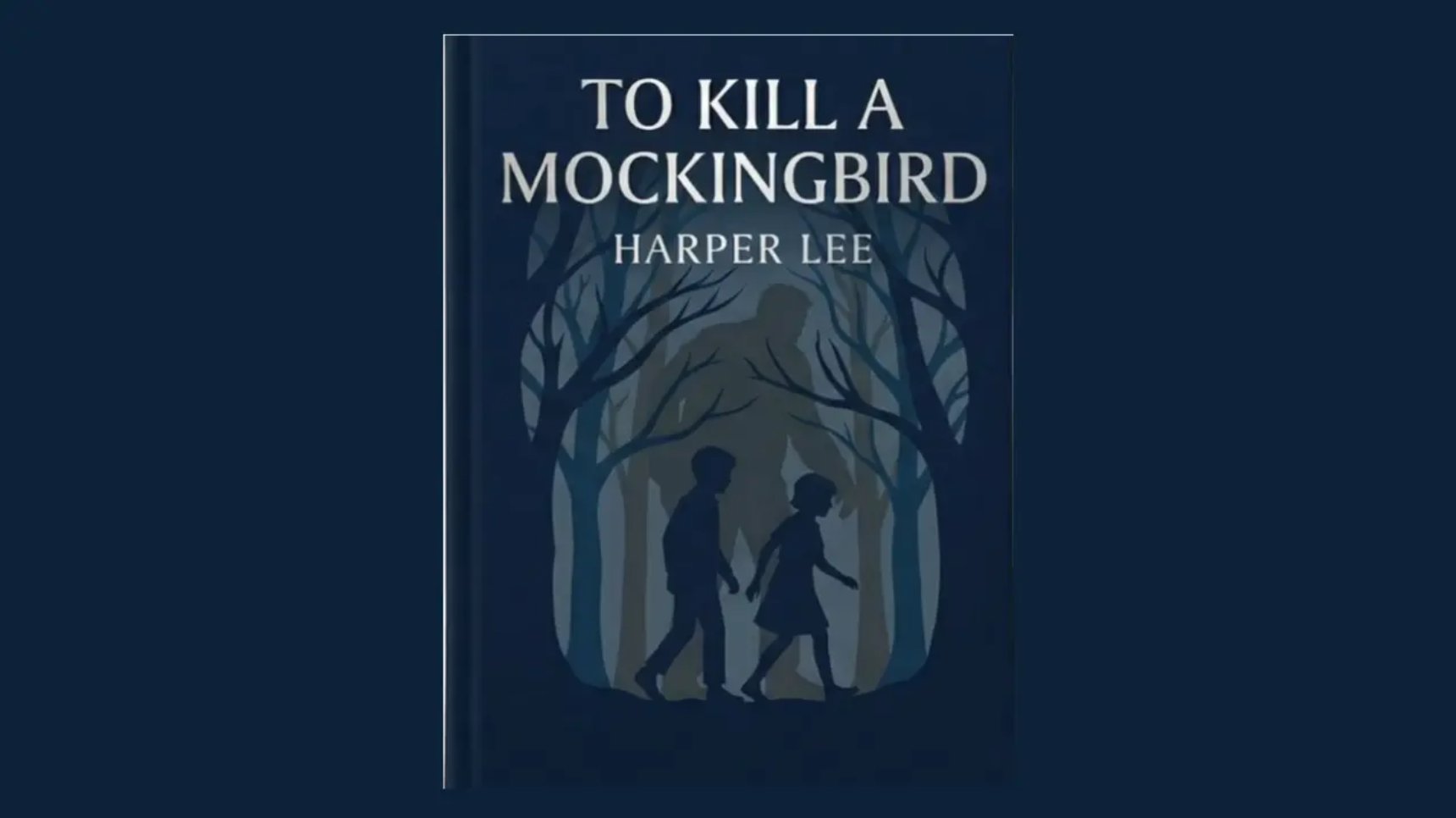
How Harper Lee makes footsteps in the darkness reveal the distance, movement and intention of an unseen threat.
Read the article →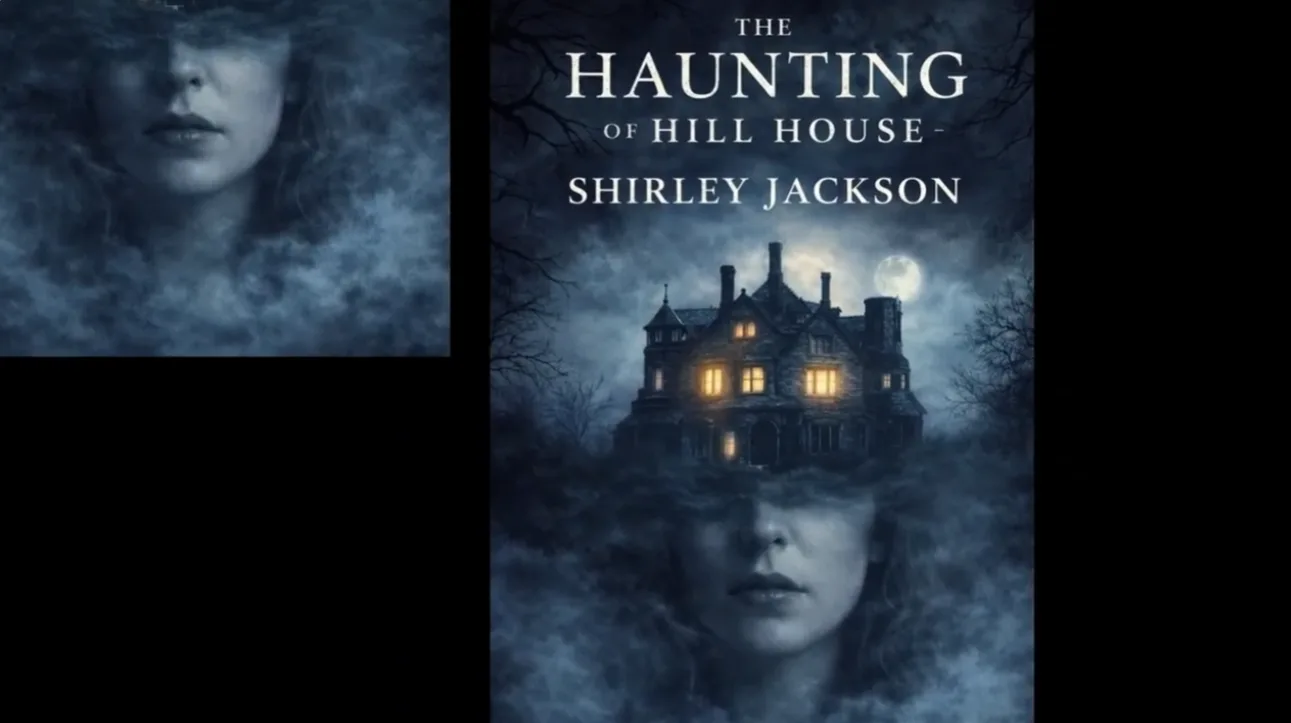
How Shirley Jackson turns an unseen knock into something with weight, distance and terrifying intention.
Read the article →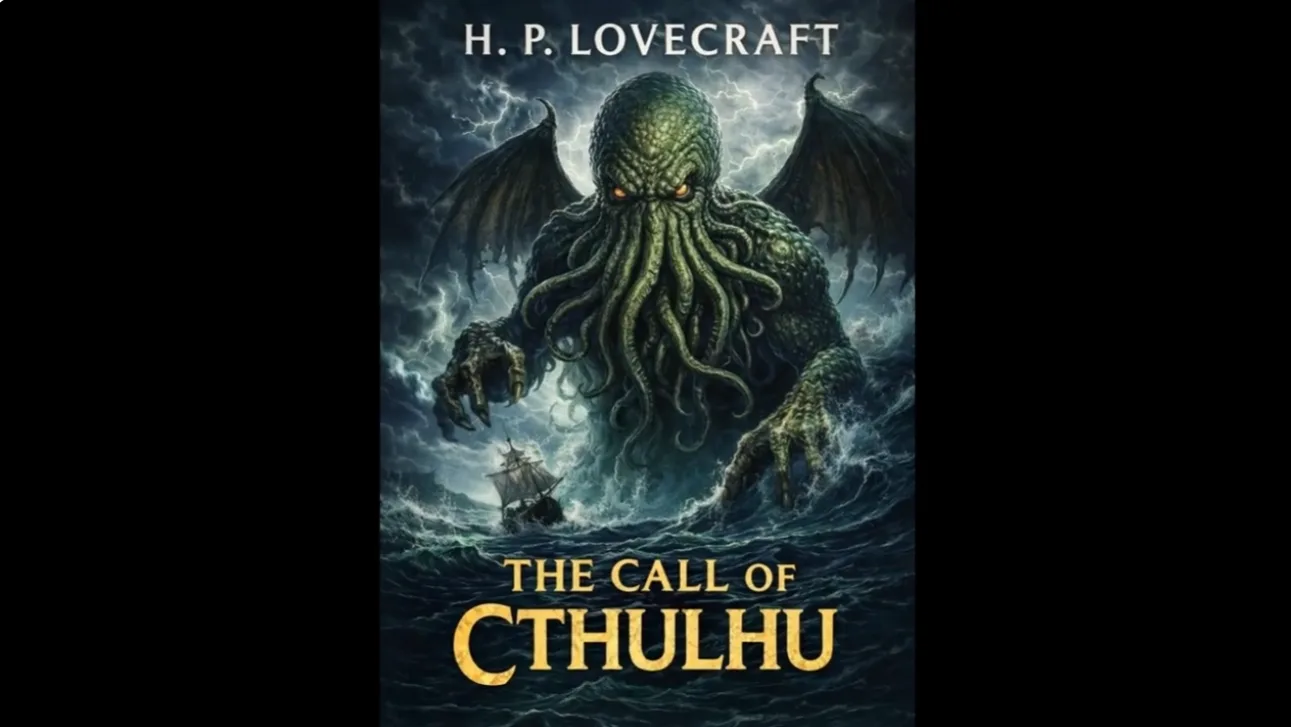
How Lovecraft makes incomplete knowledge more terrifying than any visible monster—and reduces humanity to a speck beneath the stars.
Read the article →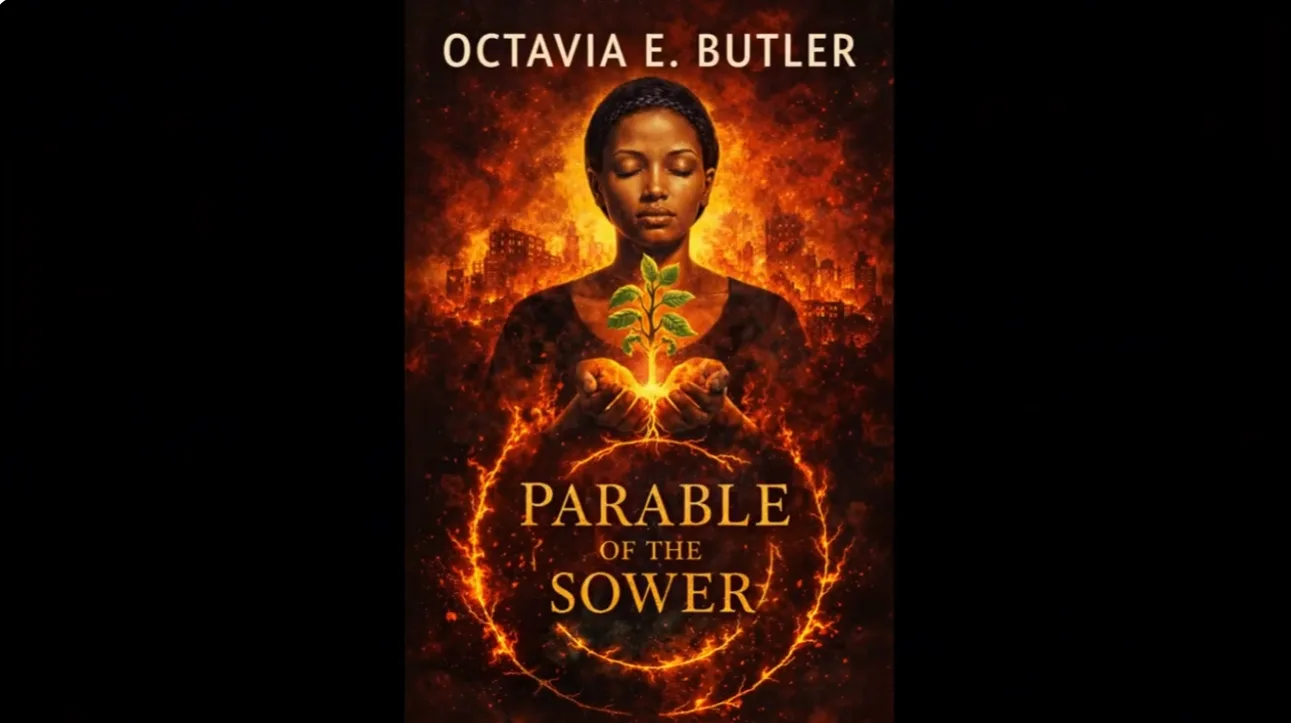
How Butler transforms empathy from a noble emotion into a dangerous physical vulnerability the reader can almost feel.
Read the article →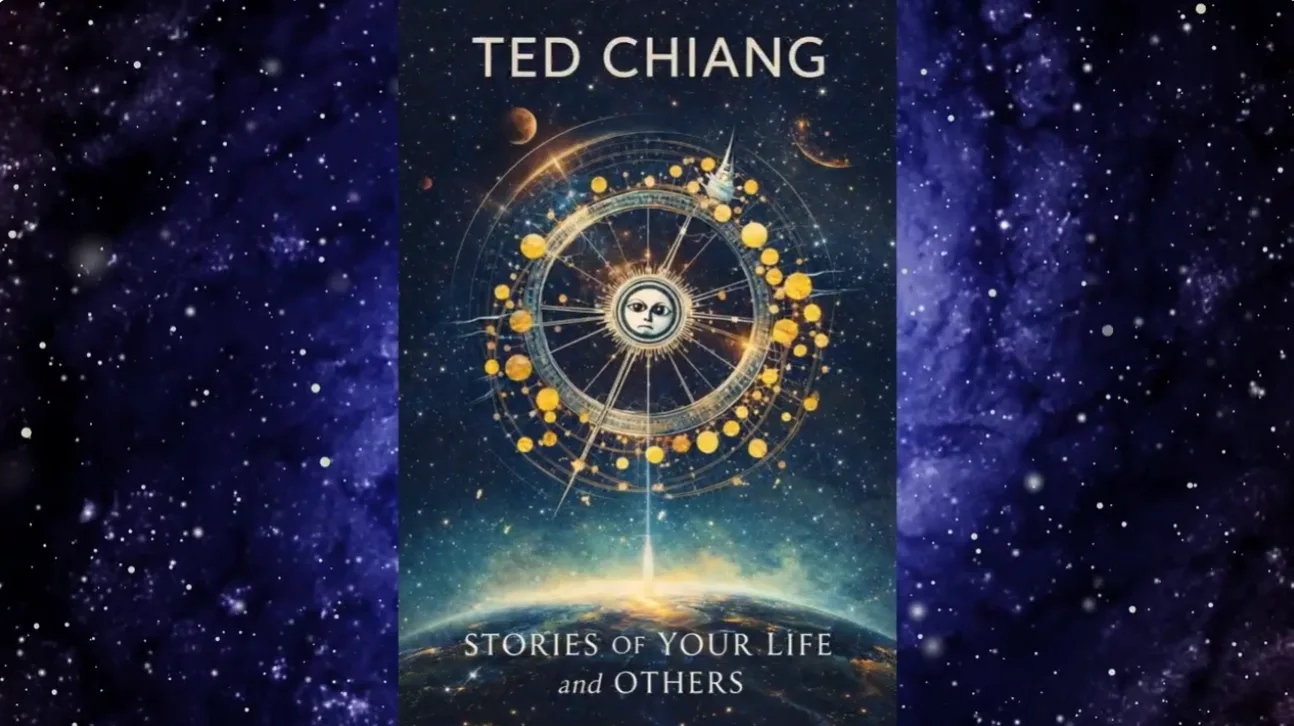
How Ted Chiang makes an impossible language feel logical—and stretches the reader’s mind until past and future exist together
Read the article →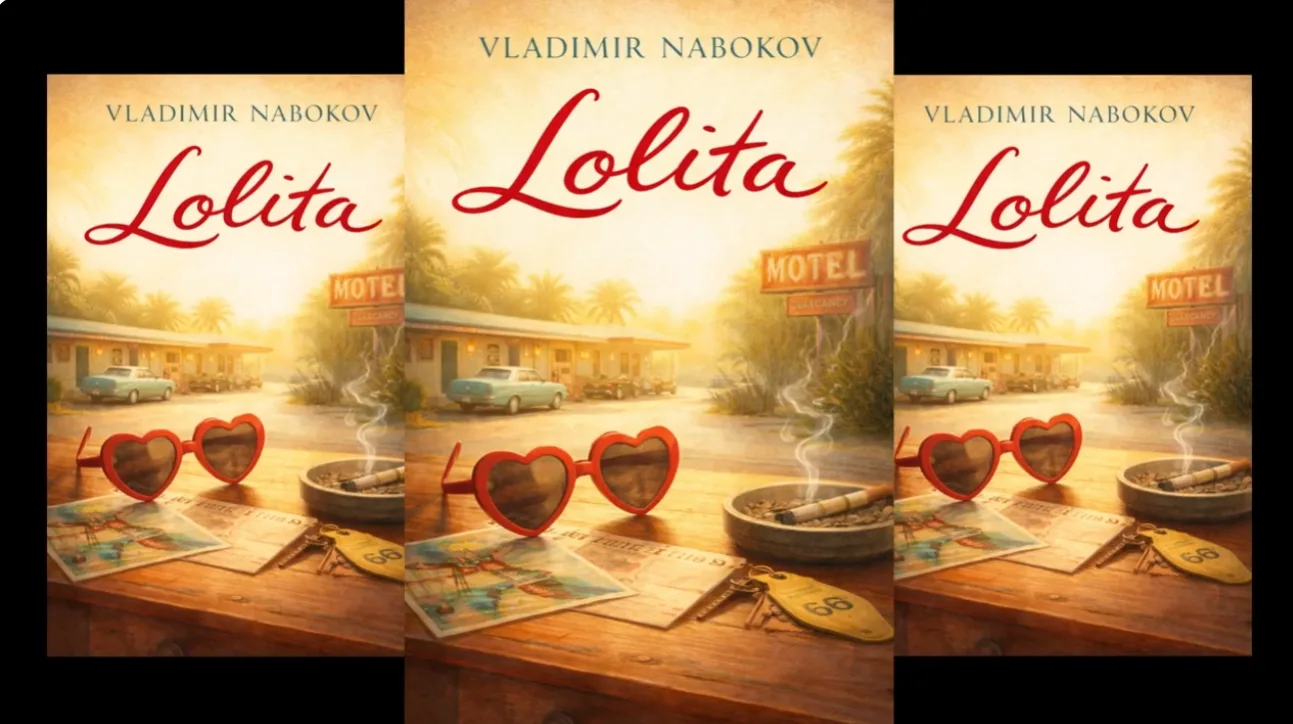
How Nabokov uses dazzling prose to expose the danger of mistaking a beautiful voice for a truthful one.
Read the article →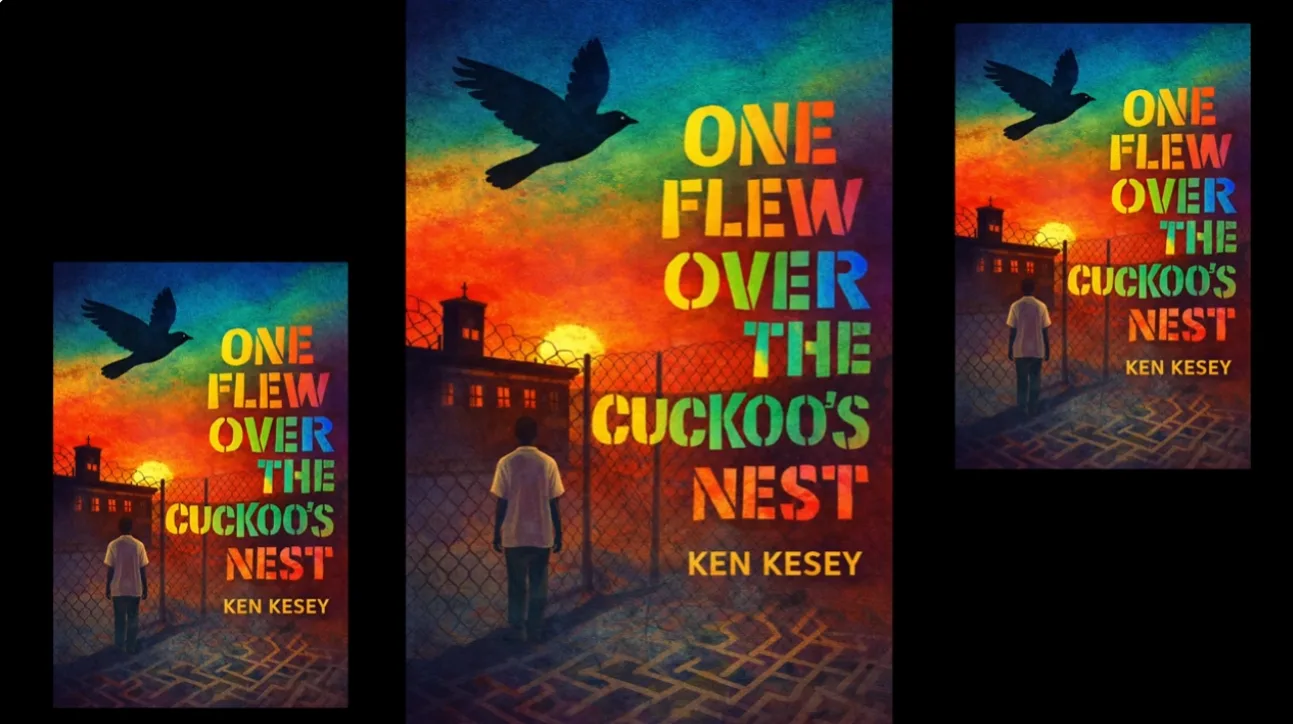
How Kesey traps us inside a narrator’s fog until hallucination begins revealing more truth than reality.
Read the article →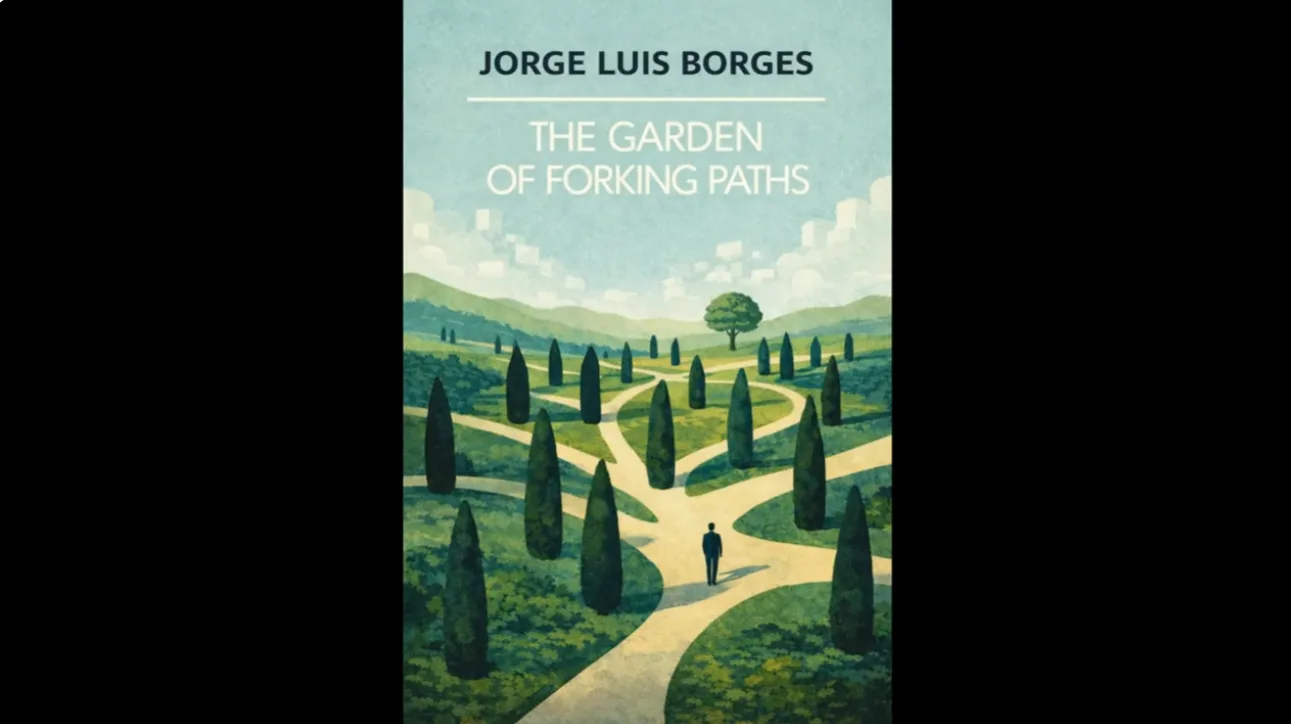
How Borges turns one short spy story into an infinite labyrinth containing every choice, consequence and possible future.
Read the article →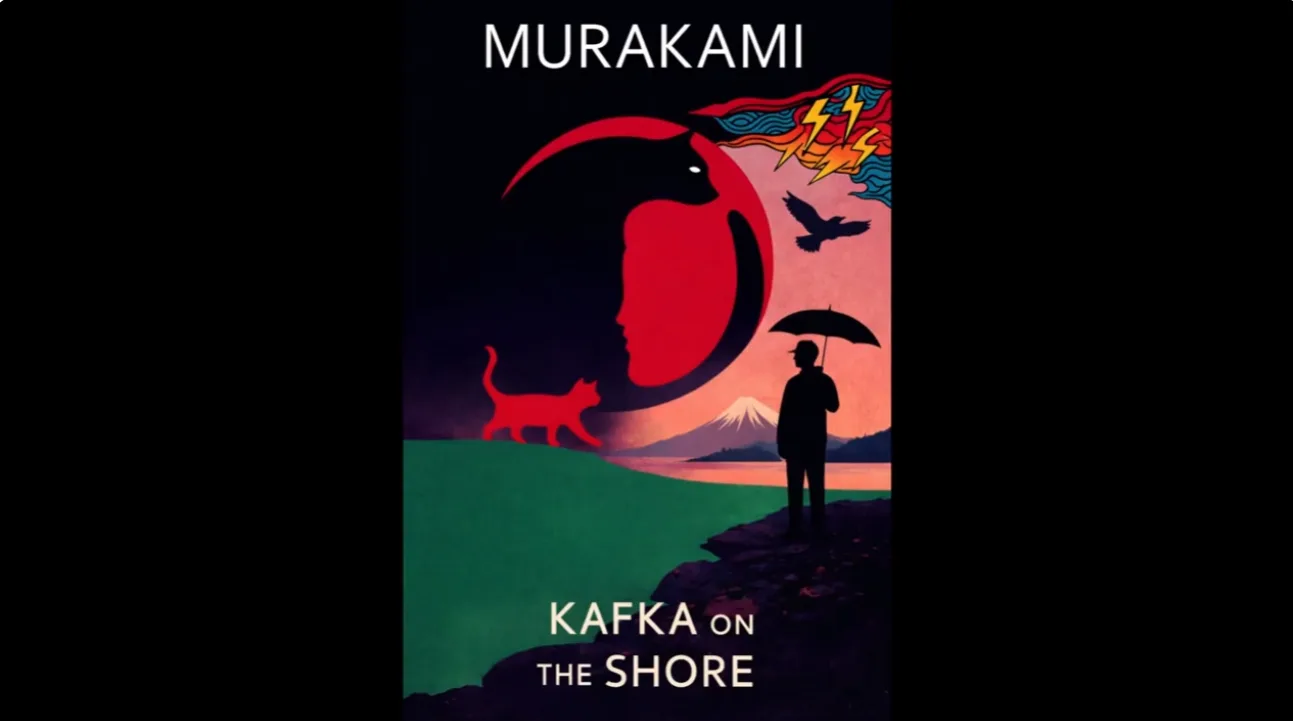
How Murakami persuades us to accept talking cats, falling fish and impossible coincidences without waking from the dream.
Read the article →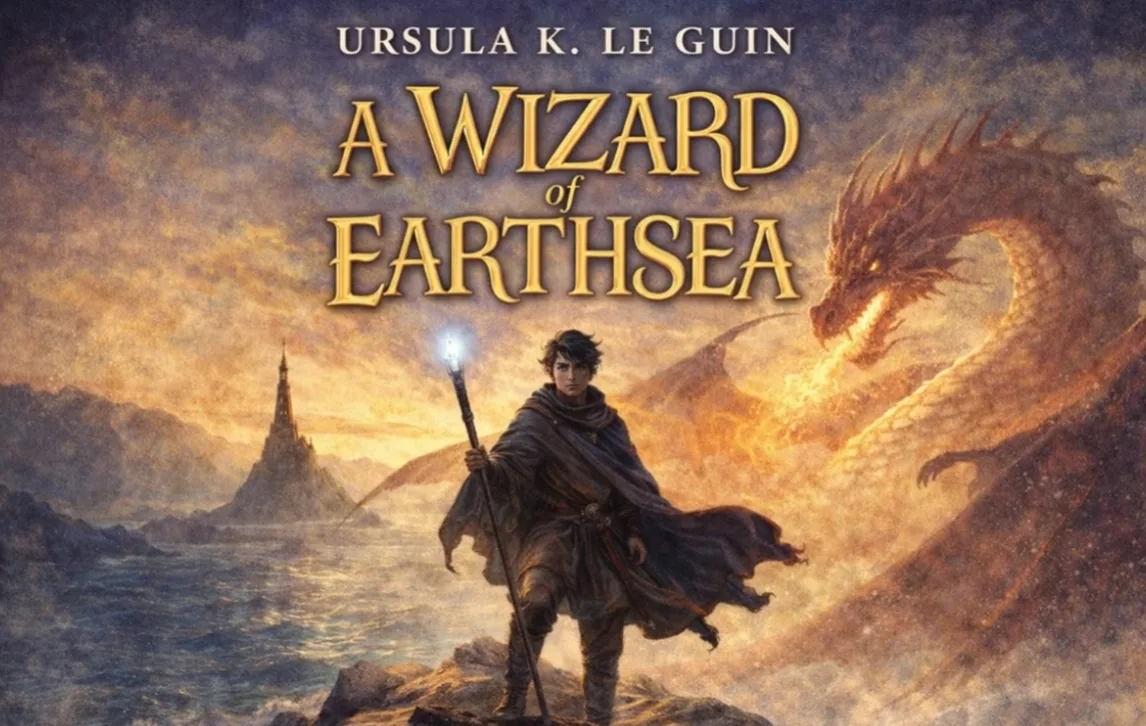
How Le Guin turns light and shadow into a quiet revelation about power, identity and the parts of ourselves we fear.
Read the article →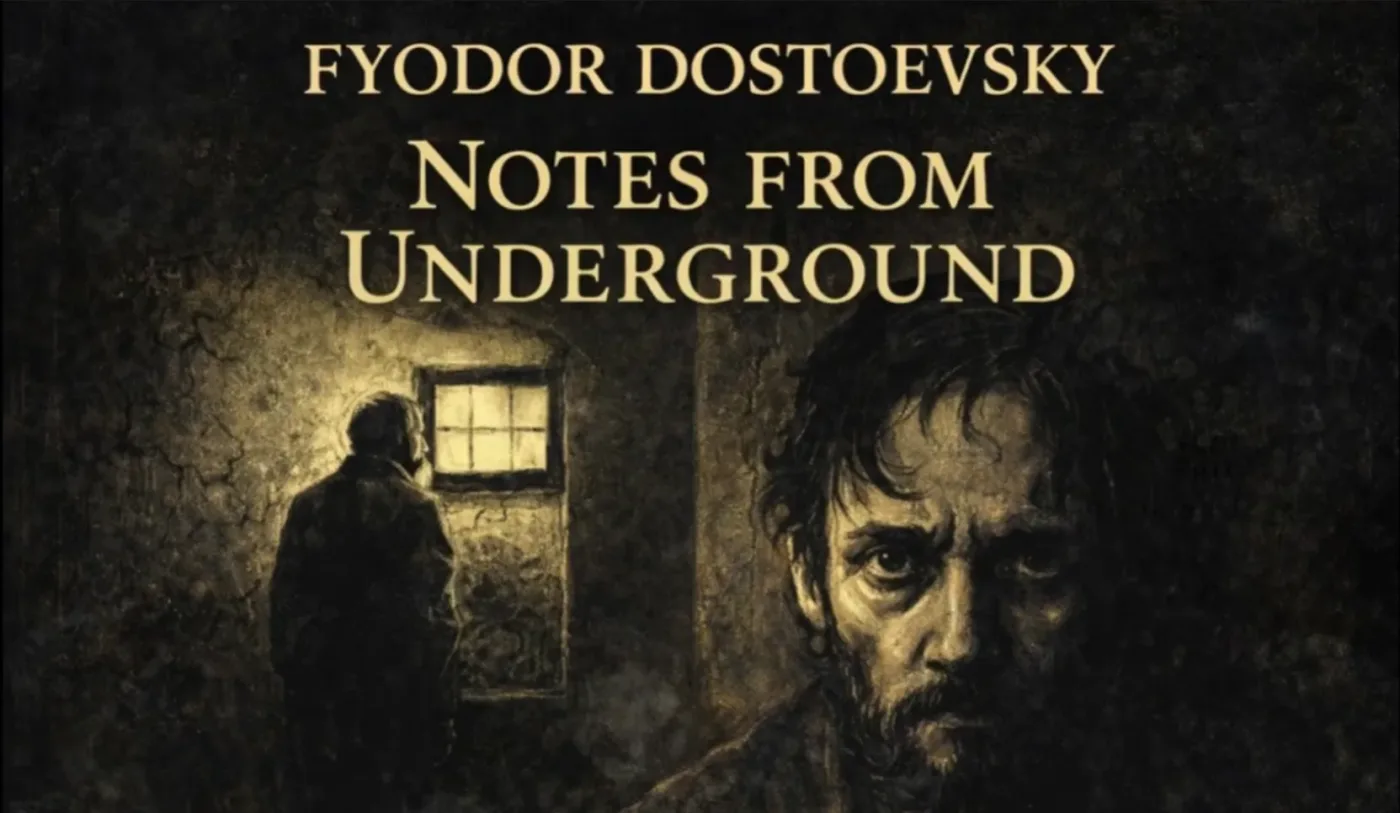
How Dostoevsky traps us inside a brilliant, spiteful mind—and makes its contradictions feel uncomfortably familiar
Read the article →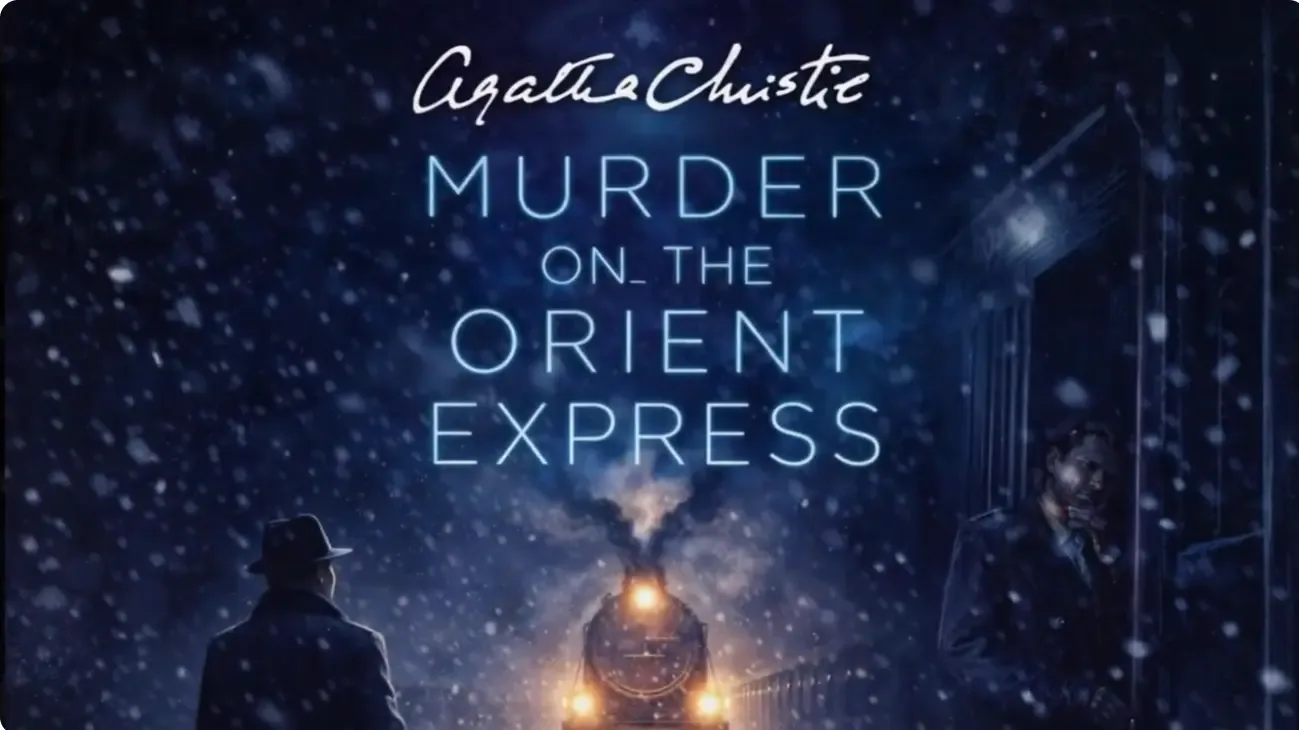
How a train full of convincing alibis turns the reader into an unpaid detective.
Read the article →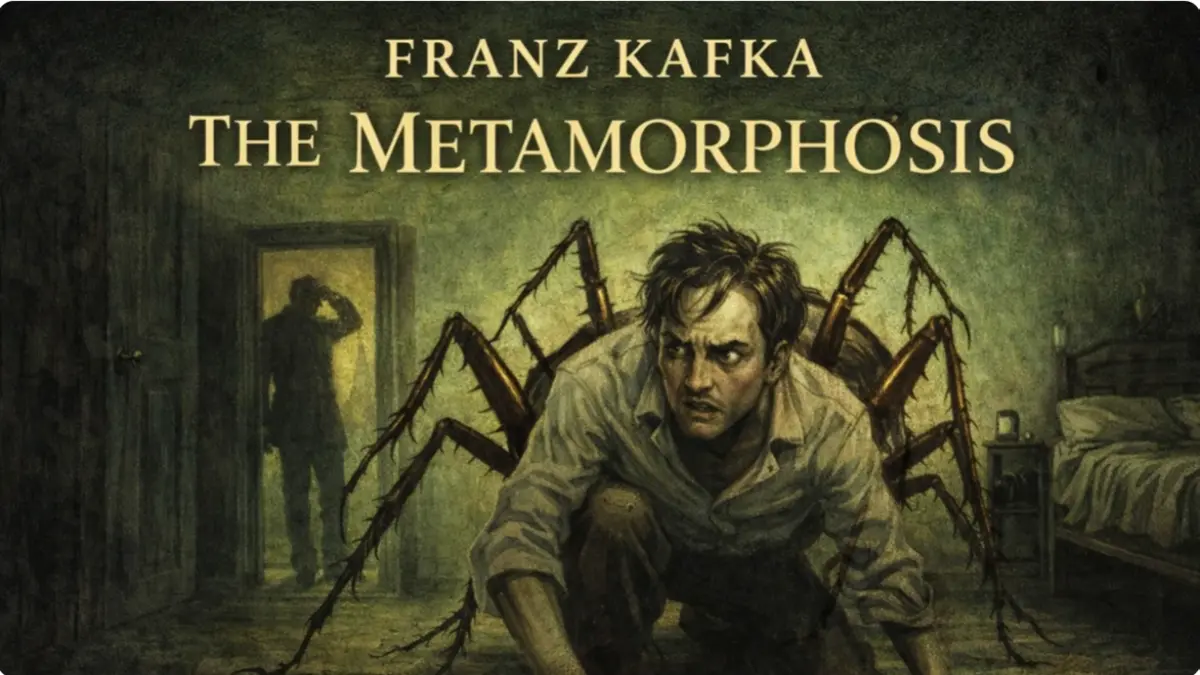
How treating the impossible as ordinary leaves the reader trapped between two realities.
Read the article →
A look at the “micro-dread” of suspicious calls, silent voicemails and modern phone interruptions.
Read the article →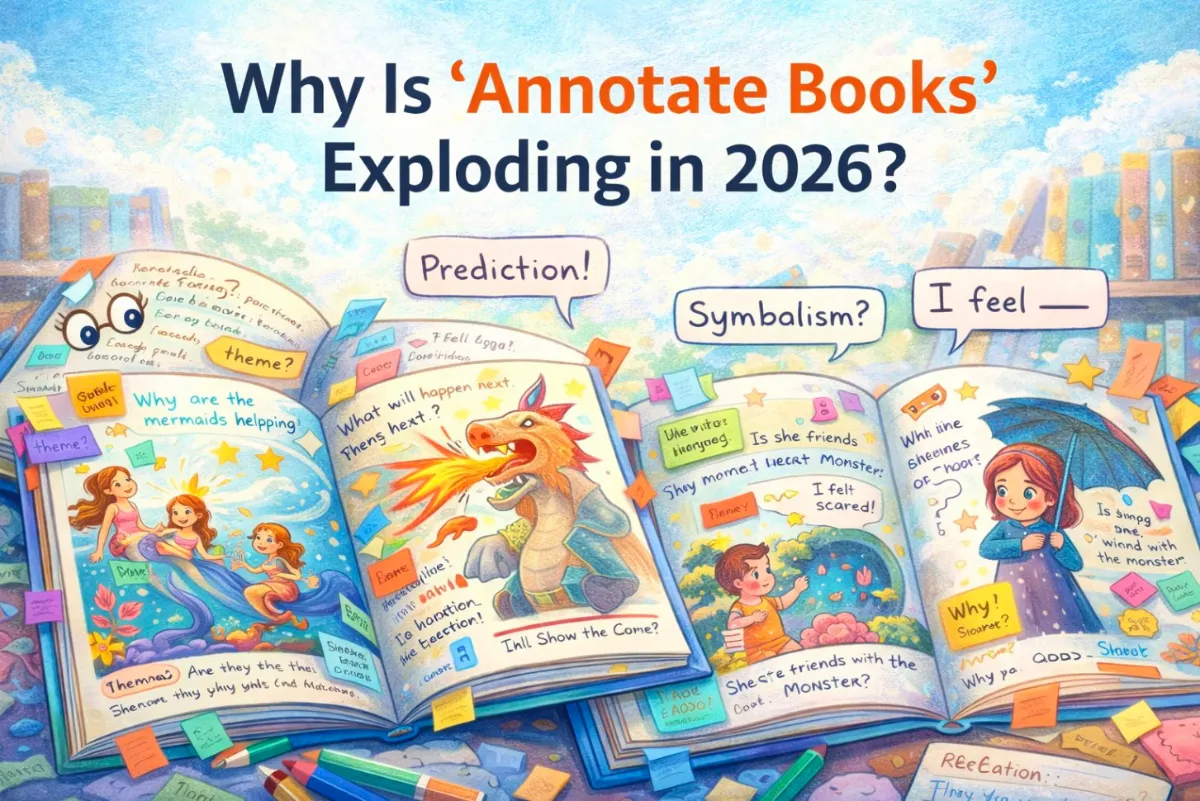
Why active reading, annotation and participation matter to children’s authors.
Read the article →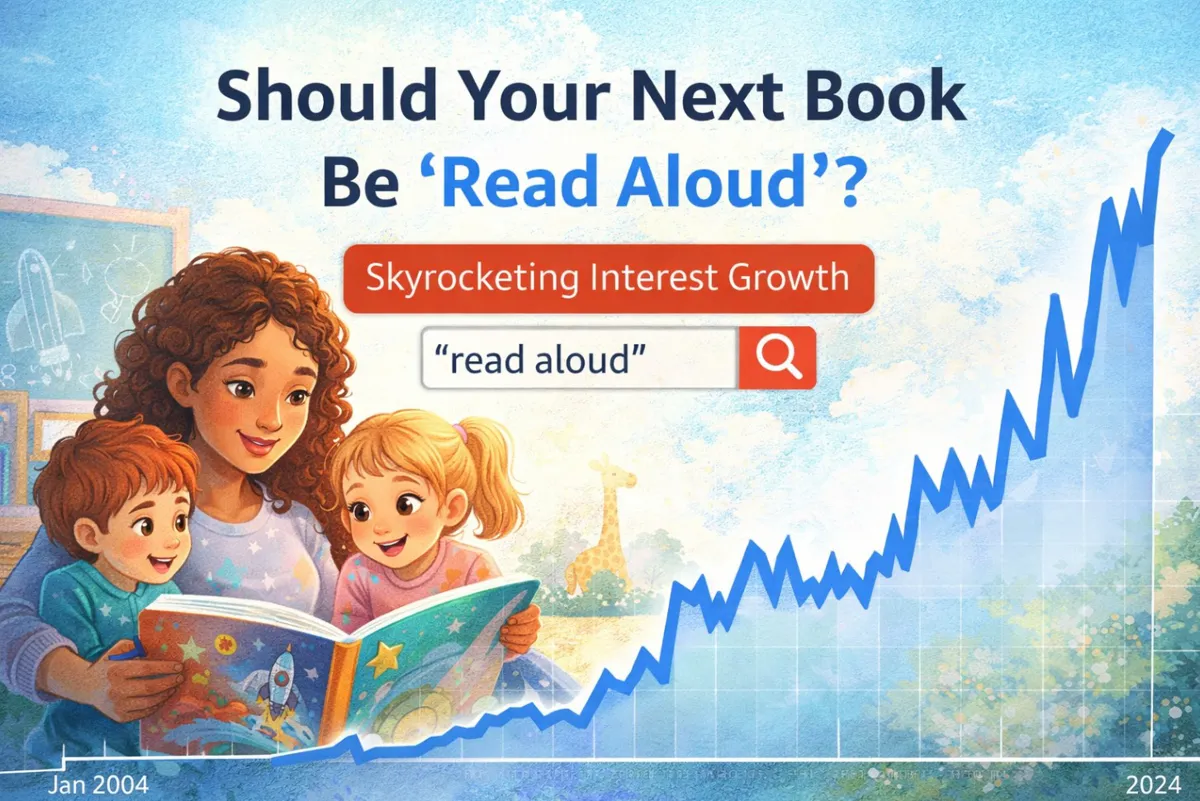
How rhythm, dialogue and performance can make a children’s book work aloud.
Read the article →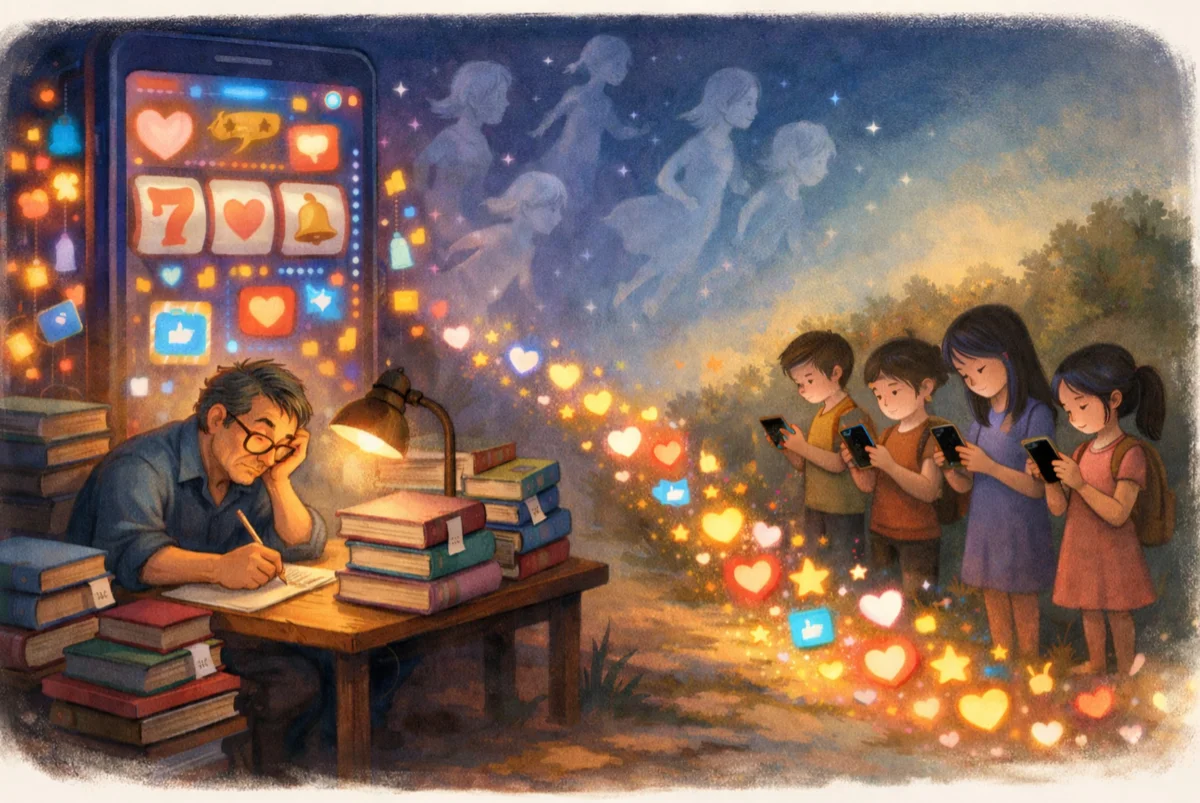
Why discoverability—not necessarily quality—is the central problem facing many self-published books.
Read the article →
Can a turn-the-page story become an interactive visual experience without losing its soul?
Read the article →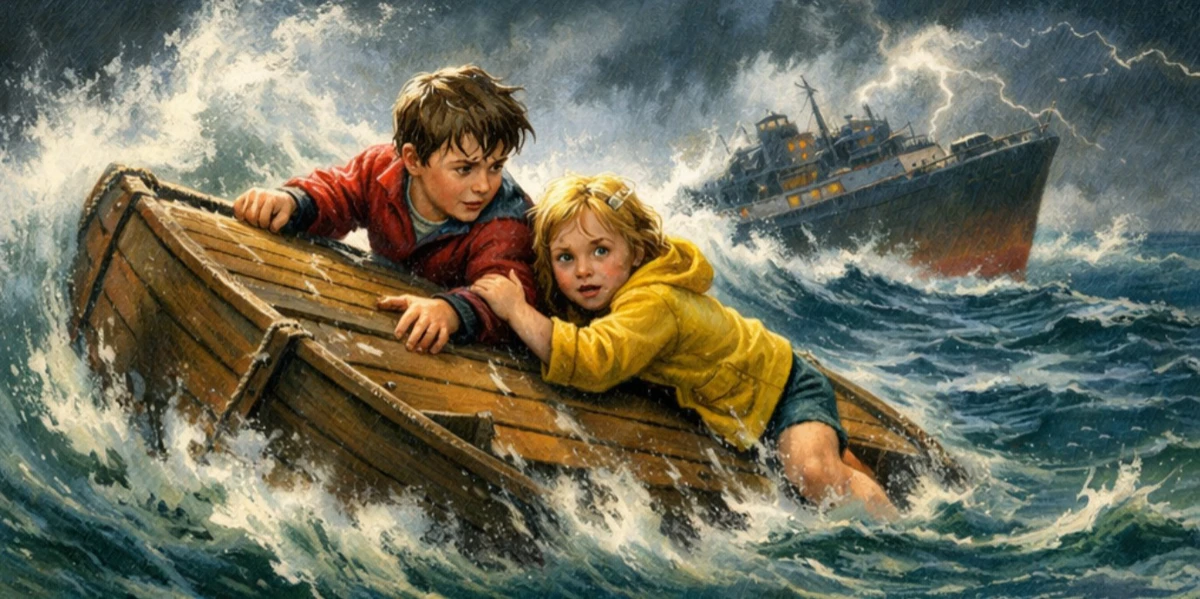
A discussion of tension, emotion and dramatic imagery in children’s books.
Read the article →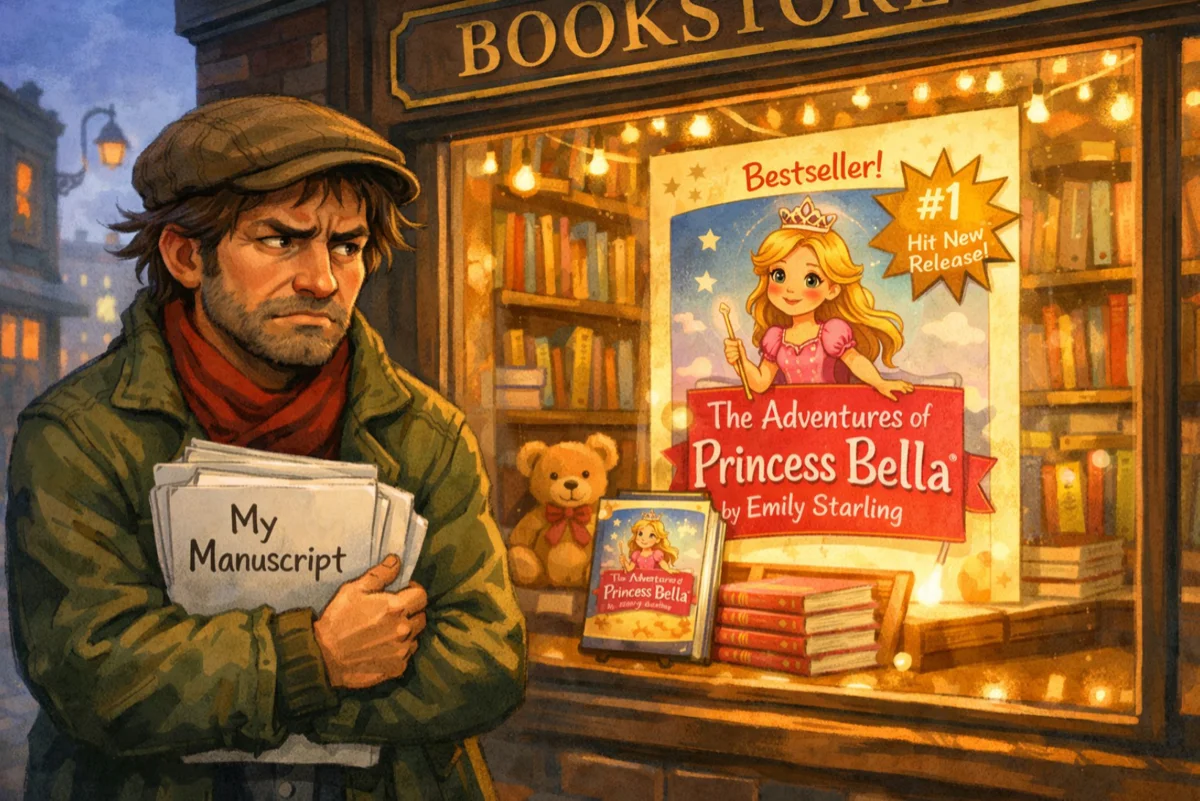
How price, labels and expectations can influence the experience of a book.
Read the article →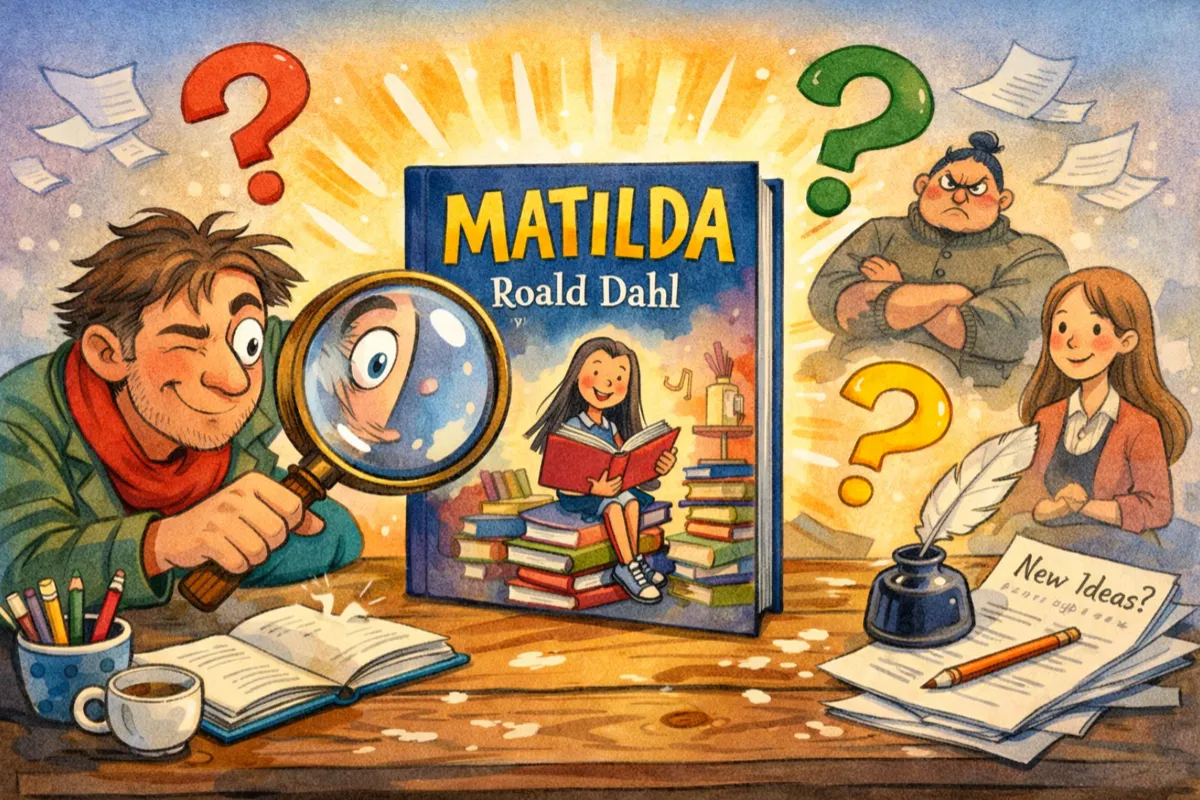
What studying bestseller structure can teach an author—and what it cannot guarantee.
Read the article →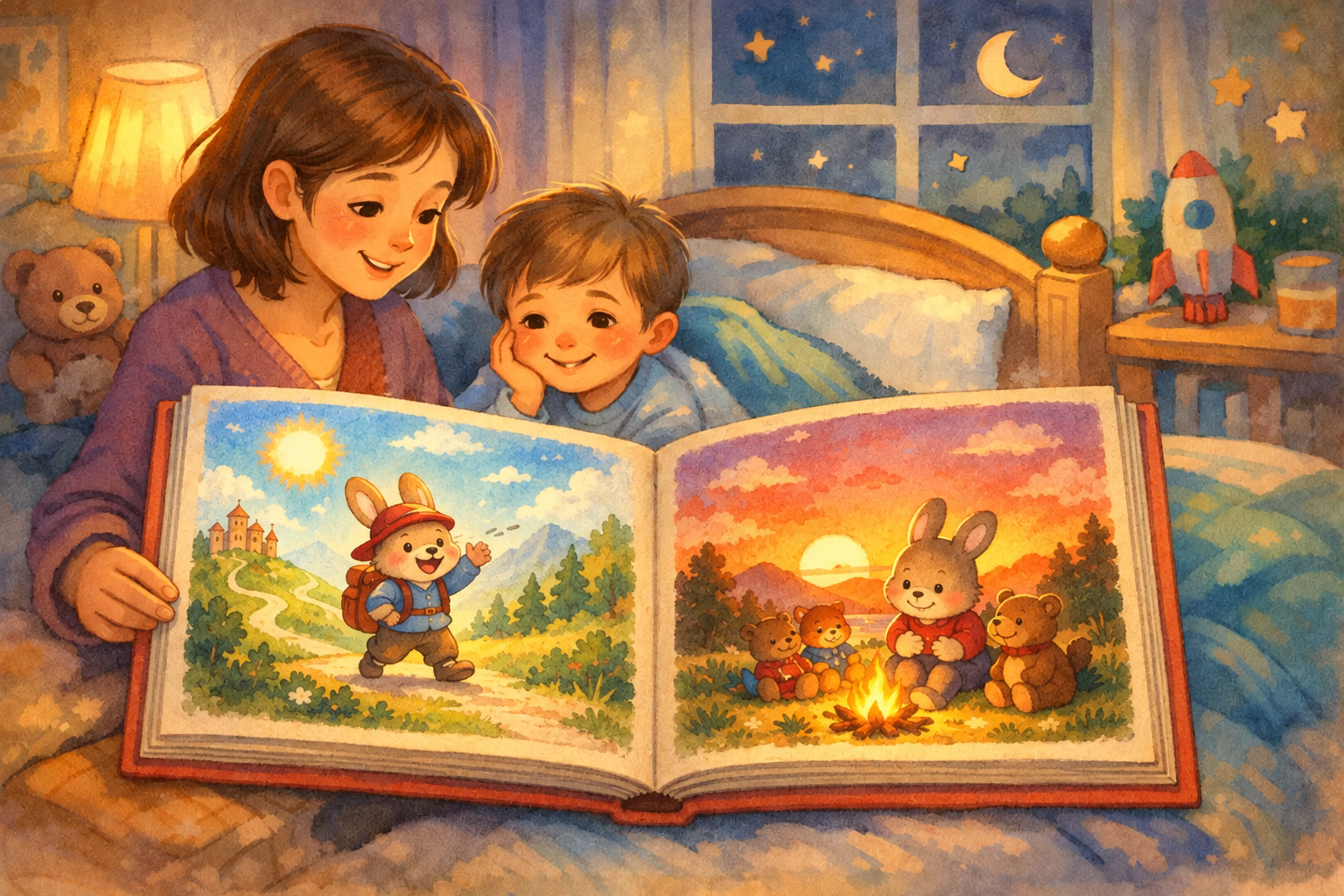
How beginnings, endings and the serial position effect shape what young readers remember.
Read the article →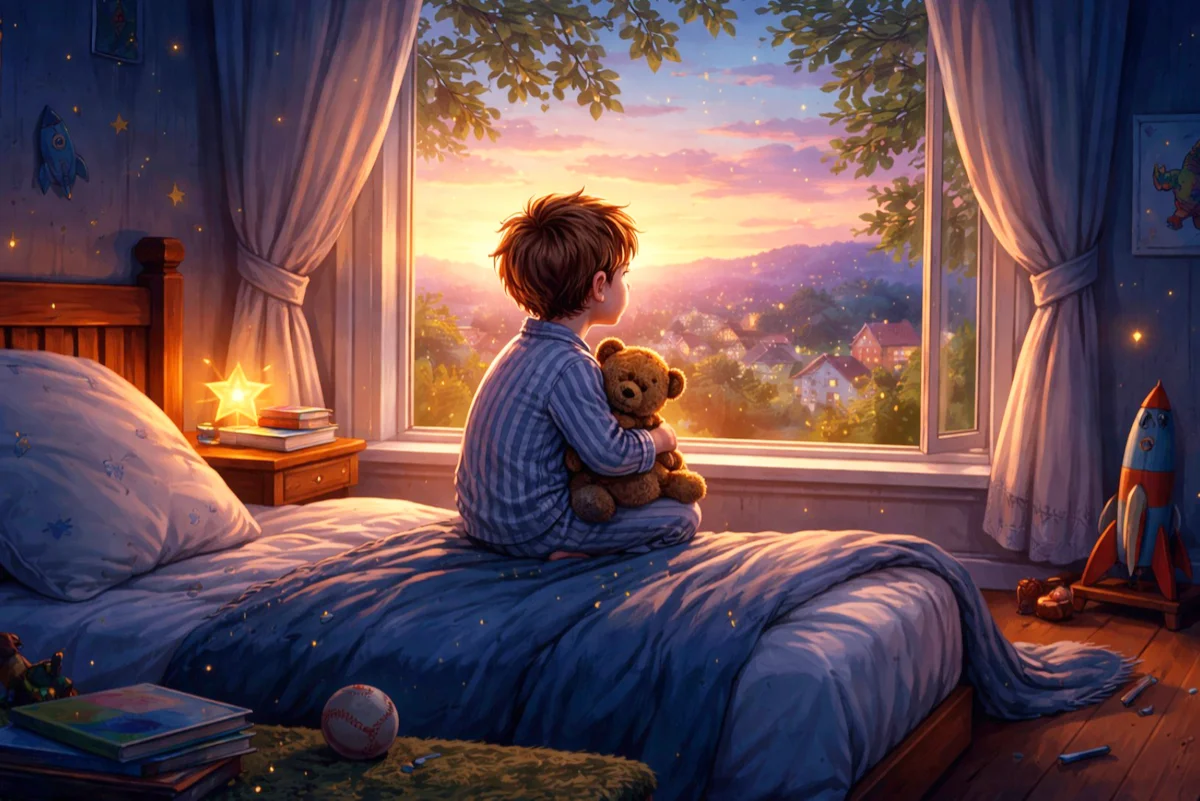
Why quiet illustrations can build atmosphere, trust and emotional investment.
Read the article →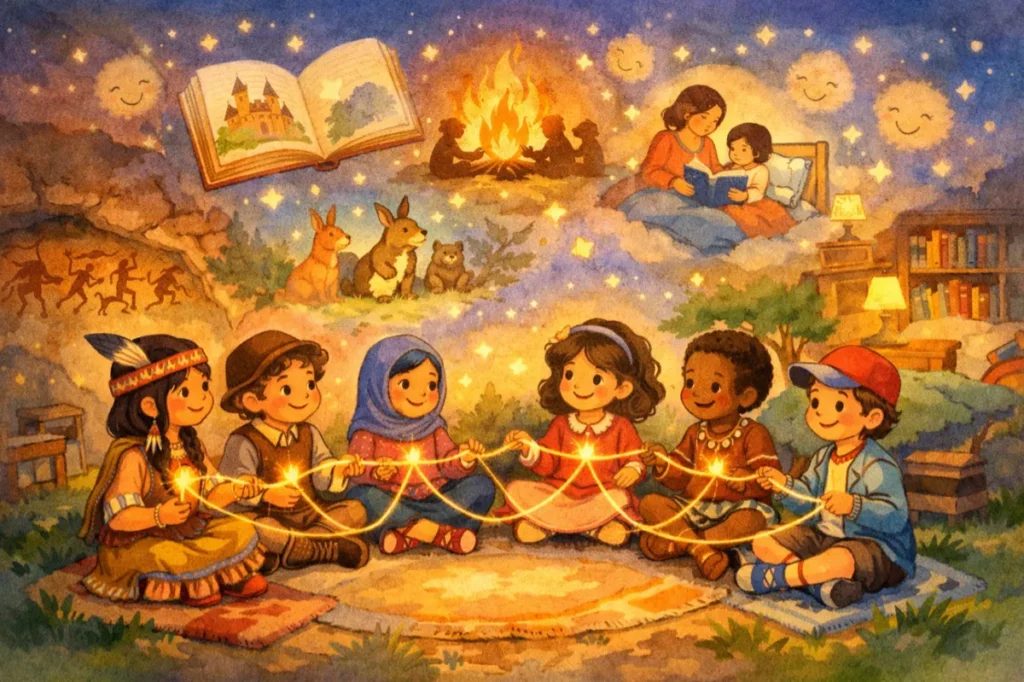
Why unfamiliar stories can still feel instantly right through emotional patterns shared across cultures and generations.
Read the article →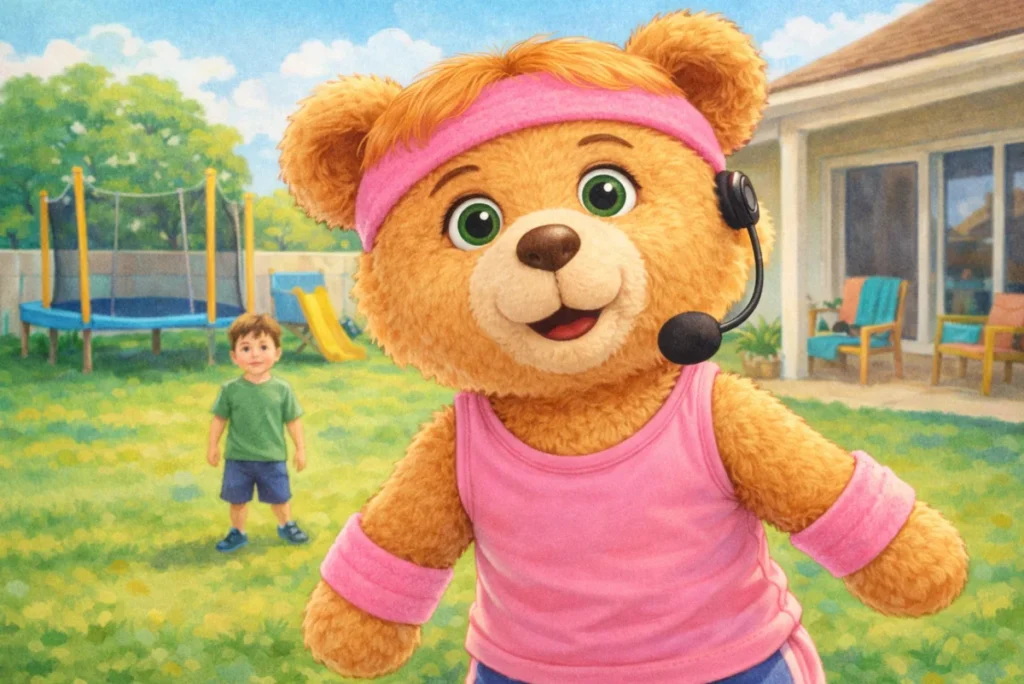
Why some book covers stop us scrolling while others disappear into the background.
Read the article →
A reflection on why struggling at school is not a life sentence or a limit on later achievement.
Read the article →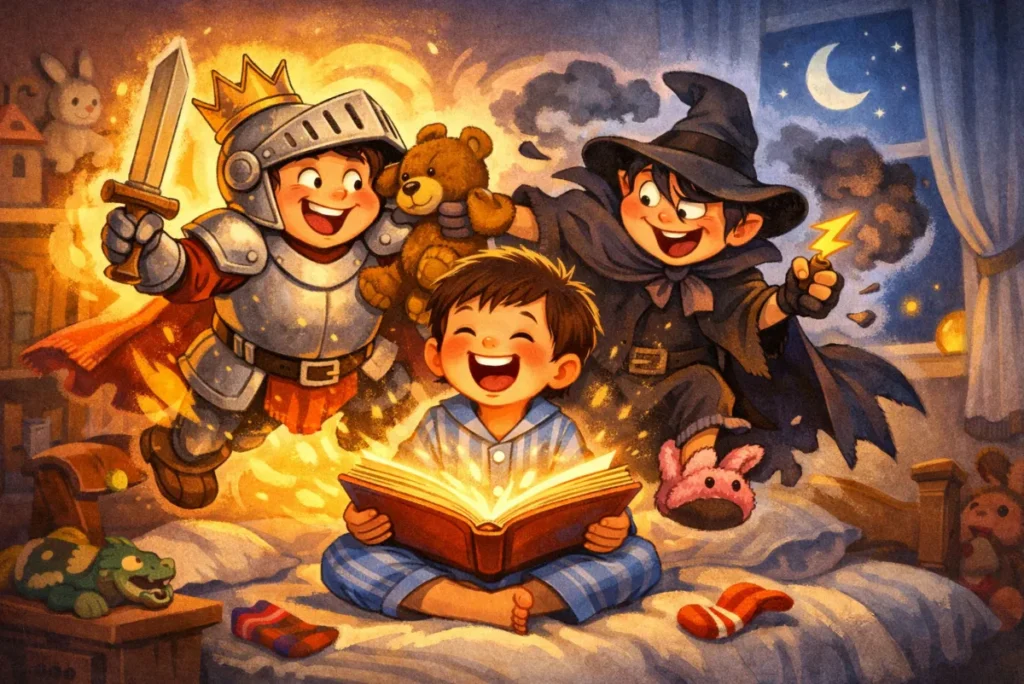
Why readers still respond to recognisable heroes and villains even when stories embrace moral complexity.
Read the article →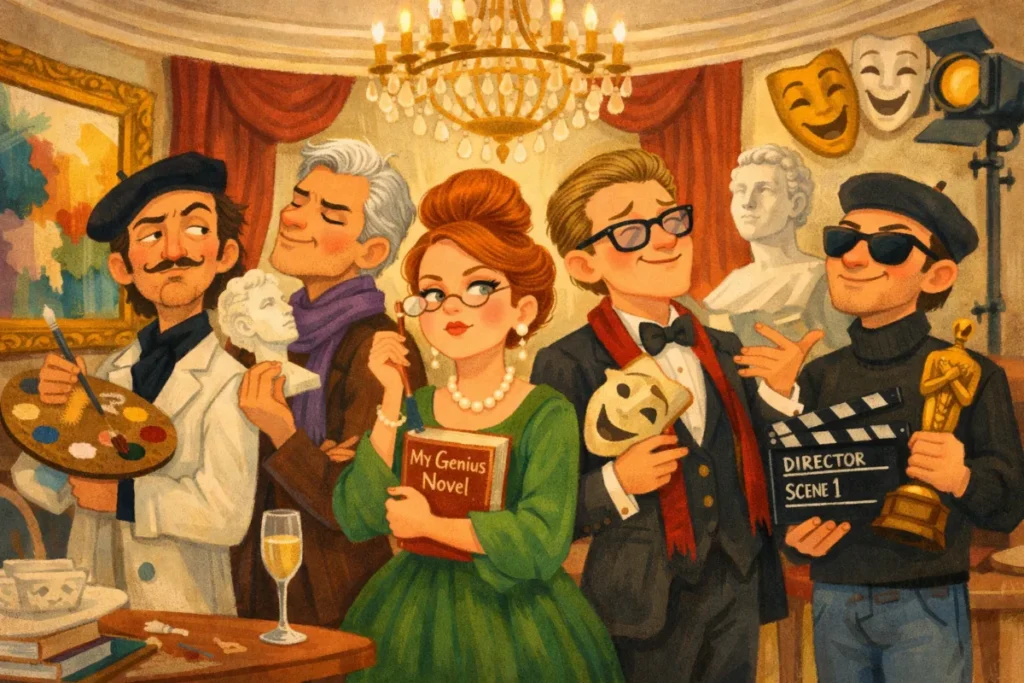
A look at status, accessibility and what can happen when an artist becomes a brand instead of a person.
Read the article →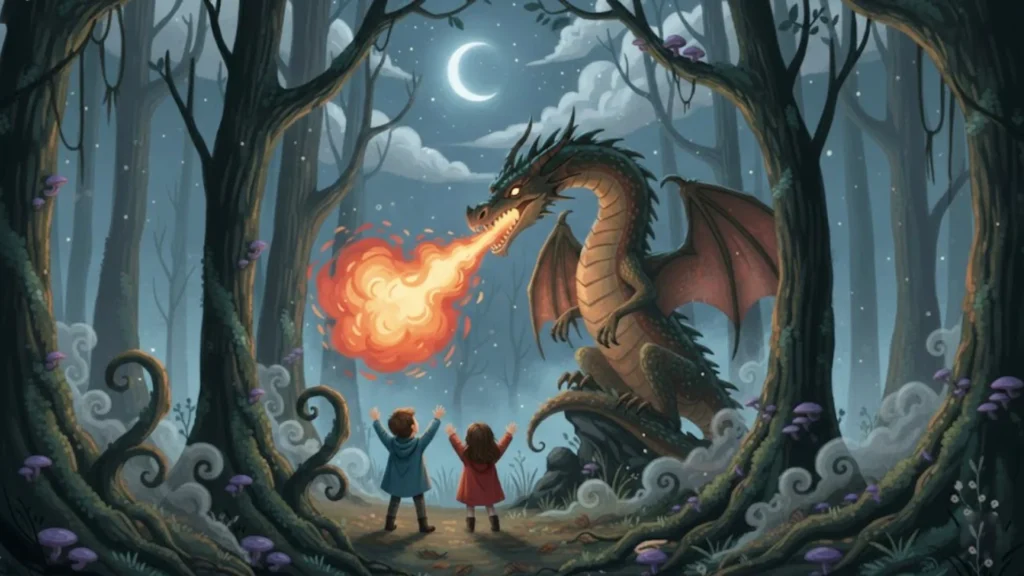
How burnt landscapes, smoke and the unknown may have helped fire-breathing dragon stories take shape.
Read the article →