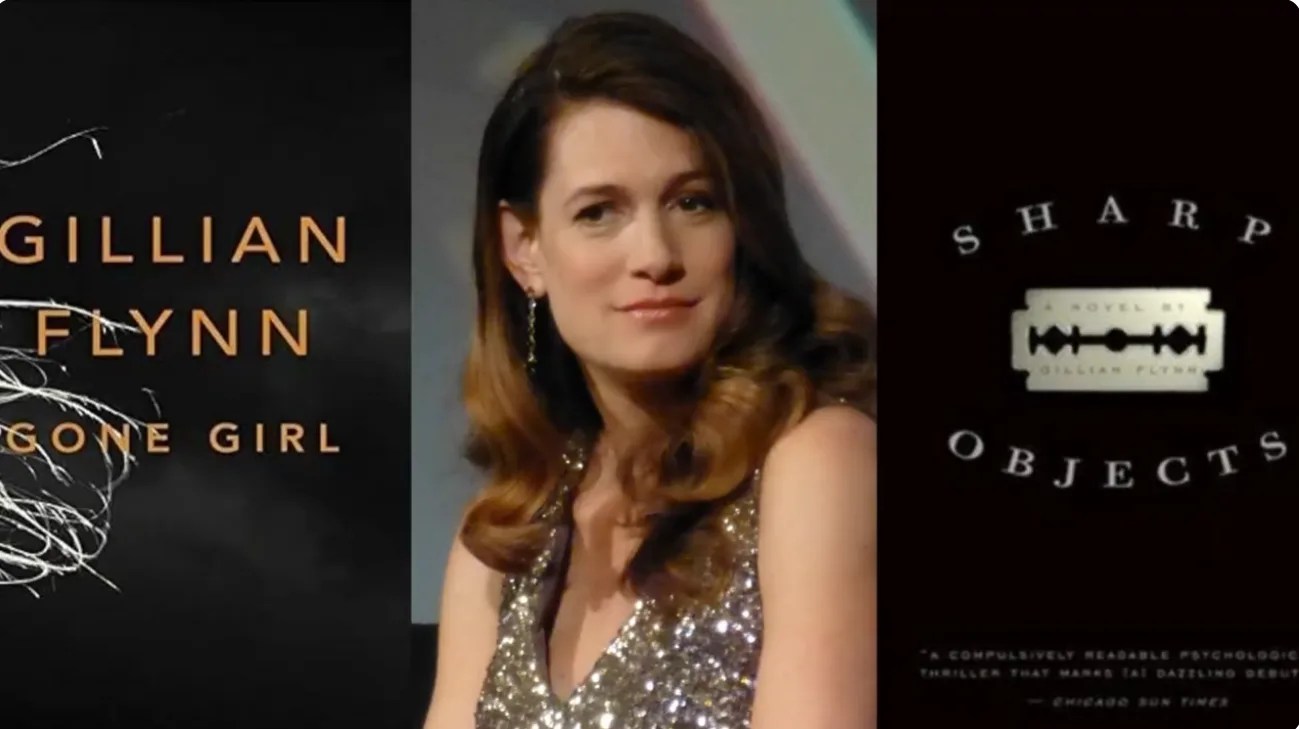
# Gillian Flynn and the Perfumed Rot
A pleasant smell should make us feel safe.
Fresh flowers suggest care. Lemon cleaner promises hygiene. Vanilla candles soften a room. Expensive perfume signals beauty, control and social polish.
Gillian Flynn understands how easily those associations can be manipulated.
In novels such as Sharp Objects and Gone Girl, attractive surfaces rarely guarantee attractive realities. The clean room, carefully presented wife, respectable family and immaculate suburban home may all be performances. Something damaged, dishonest or violent is often moving beneath them.
Flynn uses smell as part of that performance. Fragrance does not necessarily reveal what a place is. Sometimes it reveals what the people inside it desperately want us to believe.
This is what I call the perfumed rot: a pleasant scent that makes us suspicious because it appears to be working too hard.
Sometimes the most terrifying thing isn’t a bad smell. It’s a good smell being used as a lie.
When Pleasant Becomes Aggressive
Writers frequently divide smells into simple categories.
Fresh bread is comforting. Flowers are romantic. Soap is clean. Rotting food is disgusting. Blood is frightening.
Flynn’s fictional worlds are not that orderly. A conventionally pleasant smell can become disturbing when its intensity, timing or context feels wrong.
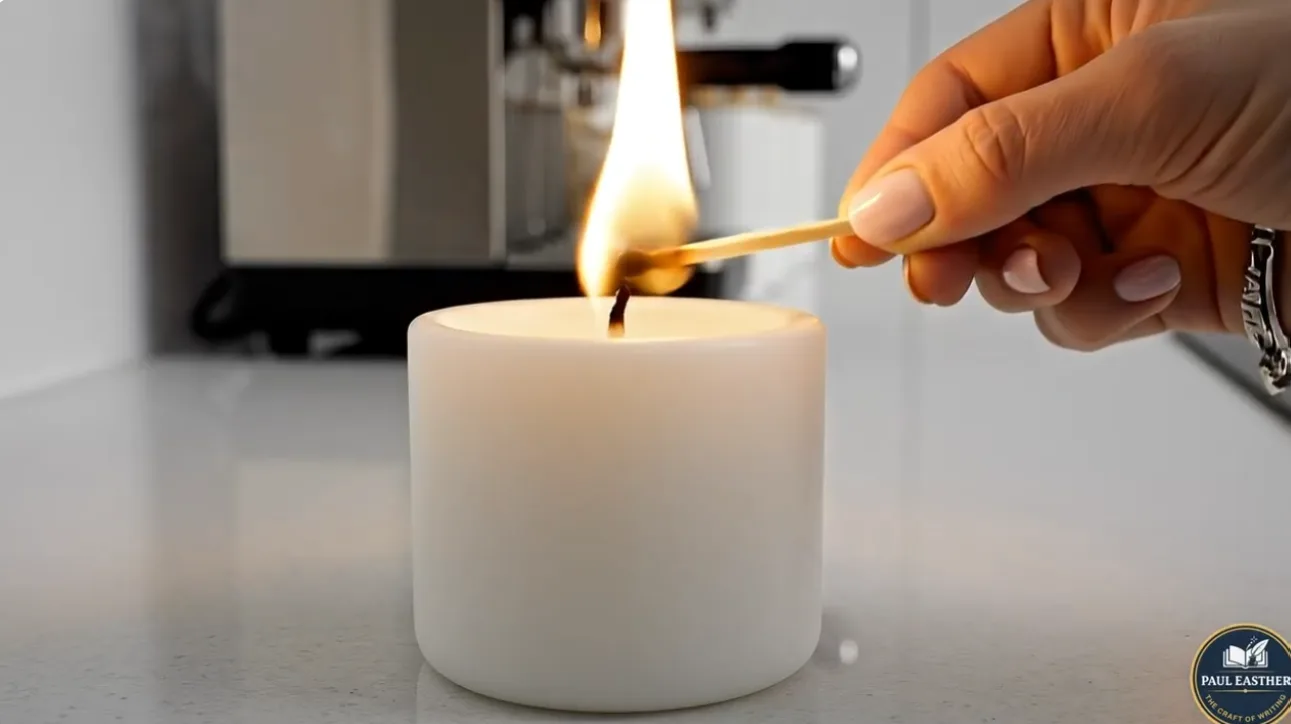
Imagine walking into a room immediately after an argument. A vanilla candle is burning on the table. The room smells warm and sweet, but nobody is behaving warmly. The sweetness doesn’t soothe you. It makes the tension more obvious.
The fragrance has become aggressive.
It feels less like atmosphere and more like evidence.
That is the important distinction. Flynn’s sensory details don’t merely describe the physical environment. They invite the reader to compare the environment with the behaviour occurring inside it.
If the two don’t match, suspicion enters through the gap.
A Manufactured Country Breeze
An especially useful example appears in Sharp Objects. Camille encounters an electric air freshener that hisses an artificial smell into the room—a plastic imitation designed to suggest country air.
The detail is funny, unpleasant and revealing.
A genuine country breeze wouldn’t need to announce itself. It would enter through an open window carrying grass, soil, rain, animals or whatever happened to be outside. The air freshener offers the commercially packaged idea of freshness instead.
It doesn’t freshen the world. It manufactures an alibi for it.
Even the verb matters. The device doesn’t gently release its fragrance. It hisses. That sound introduces hostility into something supposedly designed to make a room pleasant.
The smell is therefore doing two contradictory jobs. On the surface, it claims that everything is clean and wholesome. Underneath, its artificiality tells us not to trust the claim.
That contradiction is pure Flynn.
The Suburban Mask
Gone Girl is built around the difference between appearance and reality.
Nick and Amy Dunne’s marriage has a public version and a private version. Amy herself has been shaped by the impossible example of “Amazing Amy,” the fictional, perfected daughter created by her parents. Nick performs the part of the concerned husband while cameras observe him and strangers analyse his expressions.
Everyone is producing a surface for someone else to consume.
Domestic fragrance fits naturally into such a world. The scented candle, polished kitchen and carefully arranged flowers are not inherently sinister. They become sinister when they resemble stage dressing.
A room may look and smell perfect because someone wants perfection noticed.
Once the reader senses that effort, cleanliness stops being reassuring. It begins to feel defensive.
What happened here before we arrived?
What has been removed?
What are we being encouraged not to notice?
Flynn’s great skill is making those questions arise before the reader possesses enough evidence to answer them.
Fragrance as Misdirection
A bad smell usually points directly toward its source. Smoke suggests fire. Rot suggests decay. A metallic smell may suggest blood.
Perfume complicates that relationship because its purpose is to replace one smell with another.
That makes it ideal for psychological suspense.
The writer can give the reader two sensory layers:
The smell being presented The smell that might be concealed
A room drenched in floral spray raises a more unsettling question than a room that simply smells stale. Why does it need so much fragrance?
This technique turns scent into misdirection. The pleasant foreground occupies the reader’s attention while the possibility of something uglier develops beneath it.
The writer does not need to reveal the hidden smell immediately. Suspense comes from making the reader imagine what might be under the sweetness.
Cleanliness as Characterisation
Characters reveal themselves through the sensory environments they create.
One person may light a candle because they enjoy vanilla. Another may light it before visitors arrive because they are embarrassed by the smell of their house. A third may use it to cover evidence.
The object remains the same. The intention changes its meaning.
This is particularly useful when writing characters obsessed with control. Their homes can become curated versions of themselves: cleaned, deodorised and arranged to produce a desired emotional response.
The reader is not simply smelling the room. The reader is smelling the character’s attempt to control the story.
That is why an overly perfect environment can feel threatening. Human life produces odour, disorder and accidental evidence. The total removal of those traces suggests effort.
And effort suggests motive.
The Smell Beneath the Smile
Flynn often places polished behaviour beside private hostility. A smile may be technically flawless while carrying no warmth. A gracious sentence may conceal contempt. A beautiful home may preserve the emotional atmosphere of a trap.
Smell can perform the same double act.
The surface scent says:
Everything is lovely.
The context says:
Don’t believe it.
Once the reader recognises this contradiction, even an innocent fragrance can acquire menace. Lilies may seem funereal. Hairspray can suggest a rigid persona being fixed into place. Lemon cleaner can feel less like freshness and more like the frantic removal of fingerprints.
These examples don’t need to come directly from Flynn’s novels to demonstrate the technique. They follow the psychological machinery her fiction uses so effectively: take a symbol of normality and apply enough pressure that it begins to look false.
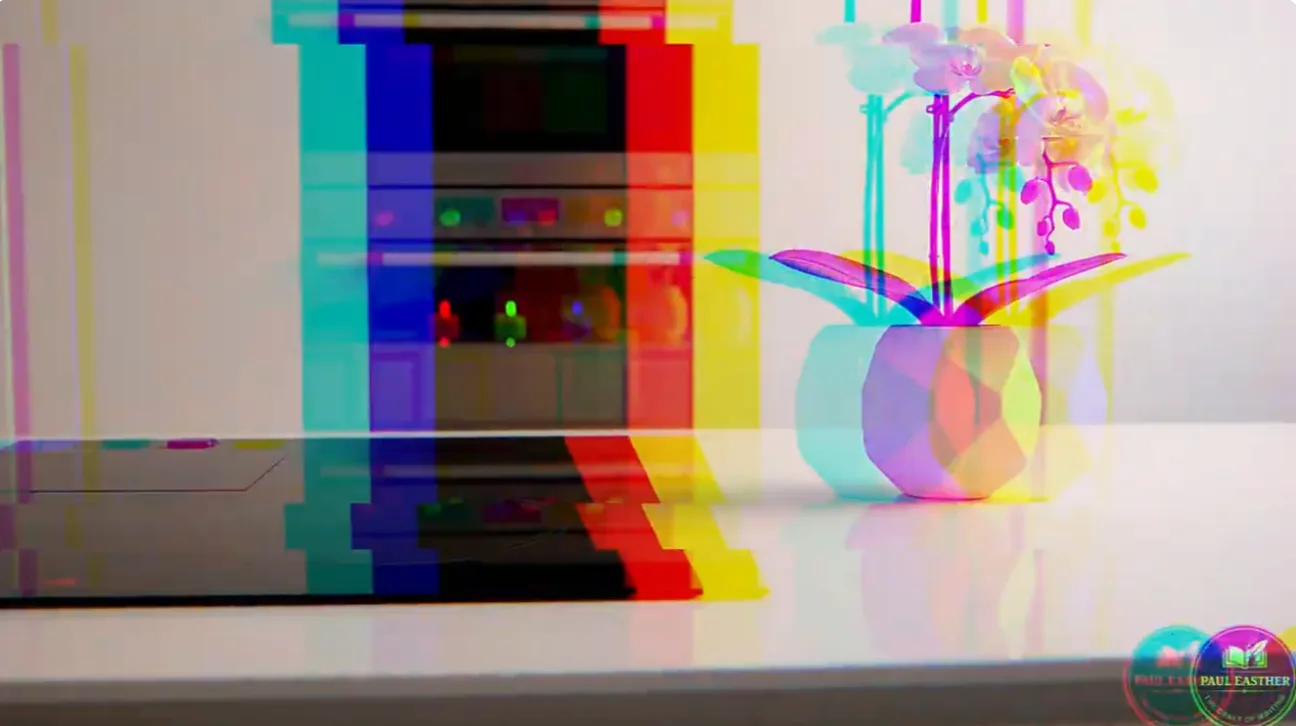
[[IMAGE3|When the polished surface begins to fracture, the supposedly perfect room reveals its instability.|A pristine suburban interior distorted by fractured red, blue and yellow layers.]]
Try It Yourself: Make the Good Smell Lie
Begin with a setting that contains something your character wants to hide.
It might be:
A recent argument An unwanted visitor A damaged relationship A violent incident A humiliating mistake A secret illness * A room that has been closed for years
Now give the setting a pleasant smell.
Don’t immediately explain what is being concealed. Let the fragrance arrive first.
Flat version:
The kitchen smelled of vanilla candles.
Suspicious version:
Three vanilla candles burned on the kitchen bench. Their sweetness filled her mouth before she reached the doorway.
The second version becomes unsettling because three candles suggest excess. The smell has physical force, and its presence invites a question.
Why are they all burning?
You can sharpen the effect by allowing a trace of the underlying truth to intrude:
Beneath the vanilla was something metallic she recognised but could not yet name.
The goal is not to announce the secret. It is to let the pleasant smell fail imperfectly.
Let the Room Protest Too Much
A useful principle for suspense writing is that a room can protest too much.
It can look too orderly, sound too quiet or smell too beautiful.
When every surface insists that nothing is wrong, the reader begins searching for the thing that is.
Patrick Süskind builds enormous worlds from accumulated scent. Roald Dahl uses one disgusting comparison as a visceral prank. Gillian Flynn does something colder: she places a beautiful fragrance over emotional decay and waits for the reader to detect the lie.
The perfume is not the horror.
The horror is the reason somebody needed it.
This is the third article in The Scent of a Story series.