
# Leigh Bardugo and World-Building Groundwork
Fantasy writers often believe that building a convincing world requires maps, invented languages, political histories and pages of explanation.
Leigh Bardugo begins Six of Crows with something more immediate.
A bad smell.
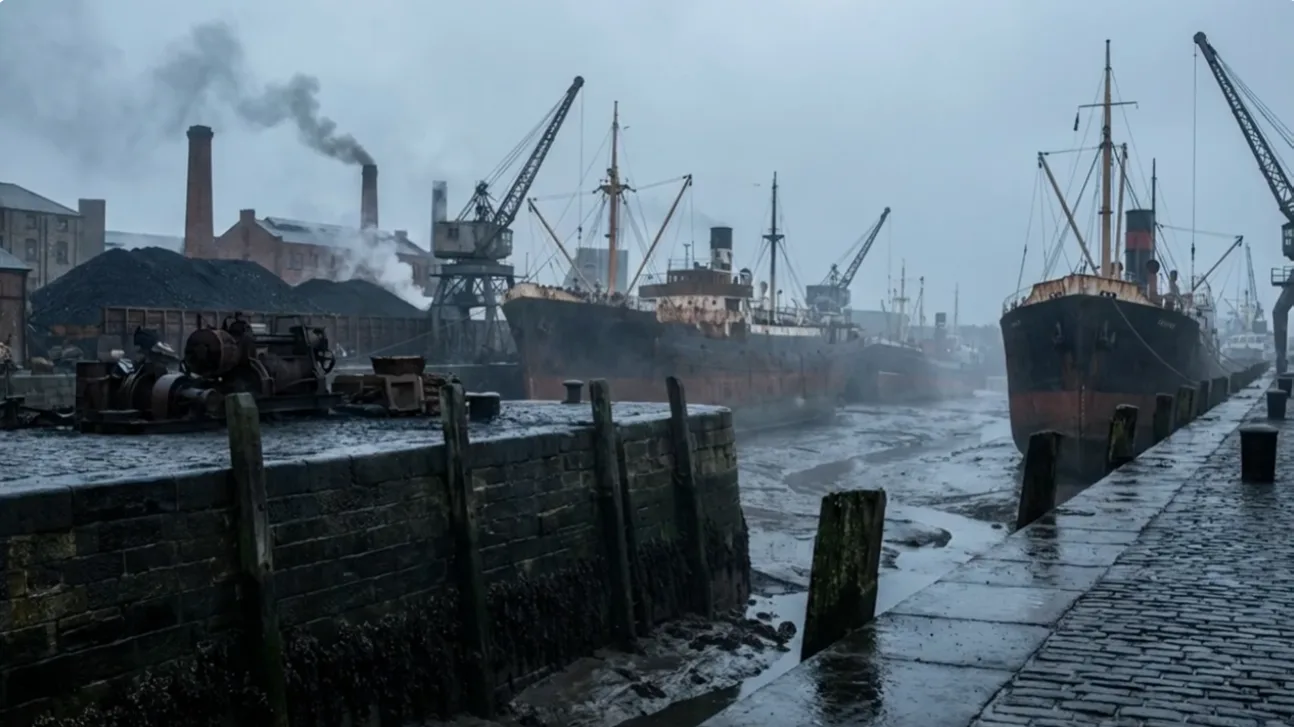
Even among the wealthy mansions of Ketterdam’s Geldstraat, the air hangs thick with fish, bilge water and smoke drifting from the refineries across the harbour.
In a single sensory sequence, Bardugo establishes geography, commerce, industry and social inequality. The reader knows that Ketterdam is a port, that its water is dirty, that its factories are active and that even the rich cannot completely seal themselves away from the machinery that produces their wealth.
She isn’t simply describing a harbour.
She is describing an economy.
This is world-building groundwork: using a physical sensation to establish the hidden systems beneath a fictional place.
Build the World Before Explaining It
Exposition gives the reader information about a world.
Groundwork allows the reader to experience that world before all the information has been explained.
Bardugo could begin by telling us that Ketterdam is a powerful trading city inspired by seventeenth-century Amsterdam. She could explain its merchant council, shipping industry, criminal organisations and social divisions.
Instead, she lets the city enter through the nose.
Fish tells us that food, boats and working docks are nearby.
Bilge water suggests crowded vessels, stagnant liquid and the accumulated filth inside their lowest compartments.
Refinery smoke introduces large-scale industry. Raw materials are not merely arriving at the port; they are being processed for profit.
Each smell adds a new layer:
Fish: the natural resource Bilge water: the machinery of transport * Refinery smoke: industrial production
This sequence moves from nature to trade to manufacturing. Bardugo builds an economic chain without stopping the story to lecture us about it.
Smell Ignores Social Boundaries
The description becomes even more useful because it appears in a wealthy part of the city.
These are not the poorest streets of Ketterdam. The Geldstraat contains grand homes belonging to powerful people. Yet the harbour’s odours still reach them.
That tells us something important about the city’s structure.
The wealthy may control the industries, but they cannot entirely escape their consequences. Smoke travels. Harbour air drifts. The smell of fish and dirty water crosses walls, gates and property lines.
Smell is socially disobedient.
A rich character can avoid looking at workers. They can travel in a private carriage, close their curtains and surround themselves with expensive possessions. But air enters anyway.
This makes scent particularly valuable when writing about class. It can reveal the relationship between elegant living and the labour that supports it.
A mansion scented faintly with coal smoke tells a more complicated story than a mansion that simply smells of roses.
The roses may represent wealth.
The smoke reveals where the wealth came from.
What the Eyes Cannot See Yet
Smell can reach a character before the source becomes visible.
You may smell salt before seeing the ocean. Smoke may warn you of a fire beyond the hill. Disinfectant can identify a hospital corridor before you read a sign. Rot may reveal something concealed behind a wall.
That makes scent a powerful tool for introducing a fictional world.
A visual description normally tells us what occupies the immediate frame. Smell can suggest activity outside it.
Bardugo’s refinery smoke enlarges Ketterdam beyond the Geldstraat. The factories don’t need to stand directly in front of the characters. Their smoke announces that another district exists across the harbour.
The city becomes larger than the scene.
This is one of the essential qualities of successful world-building: the reader senses that life continues beyond whatever the viewpoint character can currently see.
The world has an outside.
It produces things, moves goods, employs workers and releases waste whether the characters are paying attention or not.
The Smell of an Economy
Every economy has a sensory footprint.
A fishing village may smell of salt, diesel, bait and drying nets. A mining town might carry dust, hot machinery and explosives. An agricultural district could smell of fertiliser, wet soil, grain or livestock.
Those smells reveal what people do to survive.
They can also reveal who controls the town.
If the air changes when a factory closes, the smell of the setting becomes connected to employment. If one neighbourhood smells of industrial waste while another smells of watered gardens, scent exposes inequality.
Ketterdam is a mercantile city. Money moves through ships, warehouses, gambling houses and criminal networks. Its harbour is not picturesque scenery placed behind the plot. It is the reason the city exists.
By putting the harbour into the air, Bardugo prevents the reader from treating it as a painted backdrop.
The city’s economy enters every breath.
Grounding the Fantastic
Six of Crows belongs to a fantasy world containing magical abilities, invented nations and fictional political conflicts. Yet Ketterdam feels solid because Bardugo anchors its inventions in recognisable physical experience.
Readers may never have visited a refinery city in the Grishaverse, but they can imagine fish left near a dock. They understand dirty water. They know how smoke settles over buildings.
The familiar sensations provide a foundation for the unfamiliar world.
This is especially important in fantasy. If every element is strange, the reader has nothing to hold onto. A believable smell gives the imaginary setting physical resistance.
Stone becomes wet. Smoke catches in the throat. Dirty water stagnates under ships.
The world stops behaving like an illustration and begins behaving like a place.
Weather Changes the Smell Map
Bardugo’s description also suggests movement.
Harbour smells travel because air travels. Wind carries smoke from the refineries. Moisture holds odours close to the ground. Heat intensifies rot. Rain releases smells from wood, stone and soil.
This means a setting’s smell should not remain static.
A city may smell different:
Before rain At low tide During a heatwave After factories close for the night When market stalls open in the morning When the wind changes direction
Weather can temporarily redraw the sensory map of a fictional place.
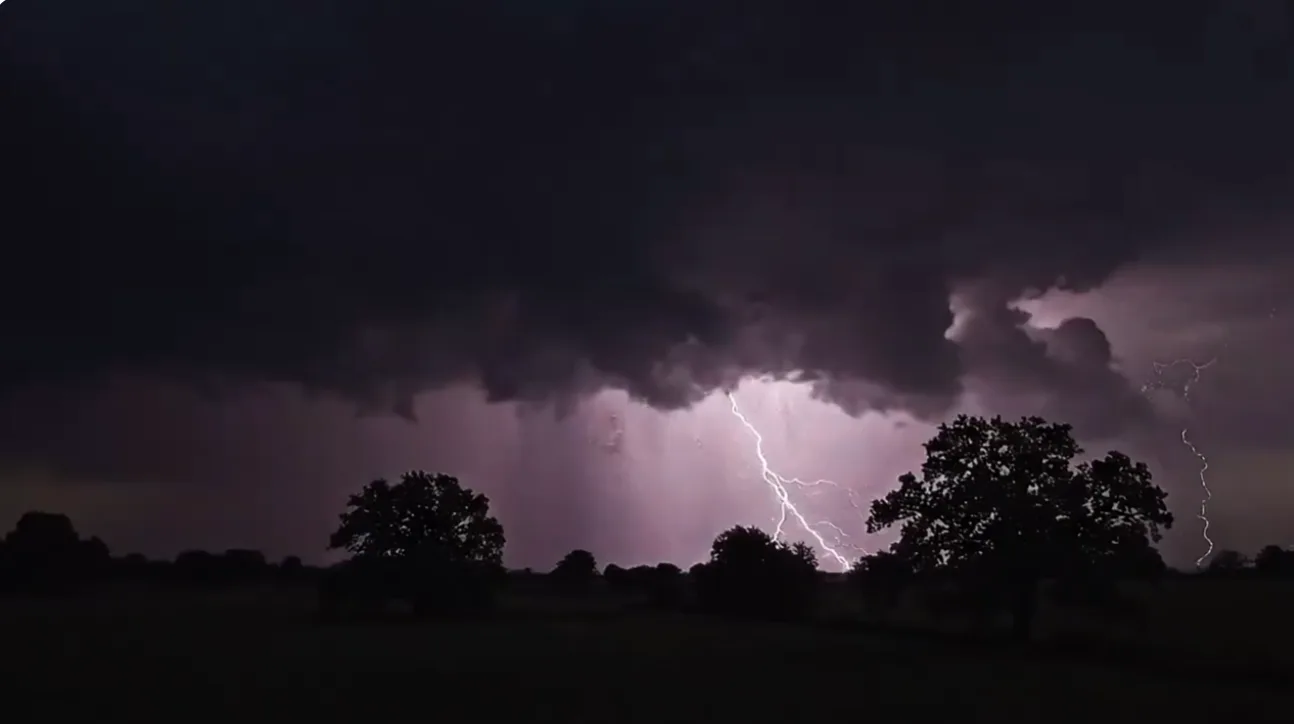
A wealthy district that normally smells of gardens may wake beneath a blanket of factory smoke. A harbour’s stench may reach inland during a storm. The smell of fire may move through streets long before flames become visible.
The environment becomes active rather than decorative.
Try It Yourself: Build an Invisible Industry
Choose a place in your story:
A castle A space station A fishing town A desert settlement A magical academy A mining colony * A wealthy suburban neighbourhood
Now ask what keeps that place alive.
Where does its food come from? What does it manufacture? How do people heat their homes? Where does the waste go? Who performs the unpleasant work?
Don’t explain the answers immediately. Let the character smell them.
Expository version:
The city contained several factories that refined oil brought through the harbour.
Grounded version:
The morning wind came off the harbour carrying salt, engine grease and the burnt-black breath of the refineries.
The second version doesn’t provide every fact, but it gives the reader enough information to begin constructing the system.
For a stronger result, combine three layers:
- Something produced by the natural environment
- Something created by human activity
- Something revealing wealth, poverty or danger
For example:
The valley smelled of pine sap, hot brake pads and the chemical sweetness drifting from the processing plant below.
Now the setting contains vegetation, traffic and industry. It also raises questions. What is being processed? Is the chemical smell dangerous? Who lives closest to the plant?
The smell has started generating story.
Let the Setting Leave Evidence
A convincing fictional world should leave traces of how it functions.
Ruts in a road reveal traffic. Soot reveals fuel. Worn steps reveal movement. Noise reveals machinery. Smell reveals substances and activities that may still be hidden from sight.
Bardugo uses those traces to make Ketterdam feel older and larger than the page on which it appears.
The fish, bilge water and refinery smoke are not random atmospheric flourishes. Together, they tell us that this city consumes natural resources, moves goods by sea and converts raw material into profit.
They also tell us that the consequences of that economy cannot be confined to the docks.
Patrick Süskind builds a cathedral from scent. Roald Dahl uses smell as a visceral prank. Gillian Flynn makes fragrance lie. Raymond Chandler makes the air guilty.
Leigh Bardugo makes a city breathe—and with one breath, we understand how it survives.
This is the fifth article in The Scent of a Story series.