# Stephen King and the Sensory Paradoxes of Fear
Stephen King understands that a monster becomes especially disturbing when our senses cannot agree on what it is.
It moves, so it must be alive.
It smells of decay, so it must be dead.
Both conclusions cannot be true. Yet the creature is standing in front of us.
That collision creates a sensory paradox: two physical signals that belong to incompatible realities appearing in the same body.
In Pet Sematary, King uses this contradiction to transform familiar animals and people into violations of nature. What returns from the burial ground may possess a recognisable face and body, but its smell tells a different story.
The eyes see something loved.
The nose detects death.
Fear emerges from the space between them.
When Something Returns Wrong
Church begins as an ordinary family cat. He belongs to Ellie Creed and forms part of the everyday domestic life of the Creed household.
After Church is killed on the road, Louis buries him in the ancient ground beyond the pet cemetery. The cat returns—but resurrection has not restored him.
He moves.
He eats.
He occupies the family home.
Yet he smells wrong, behaves differently and produces instinctive revulsion in the people around him. His body is active, but it carries signs that the natural process of death has not truly been reversed.
King does not need Church to announce, I am no longer your cat.
The smell communicates that fact.
This is what makes the sensory paradox so powerful. Resurrection has succeeded visually but failed physically. The familiar shape has returned without the life that once made it familiar.
Living Smell, Dead Smell
Consider this illustrative sentence:
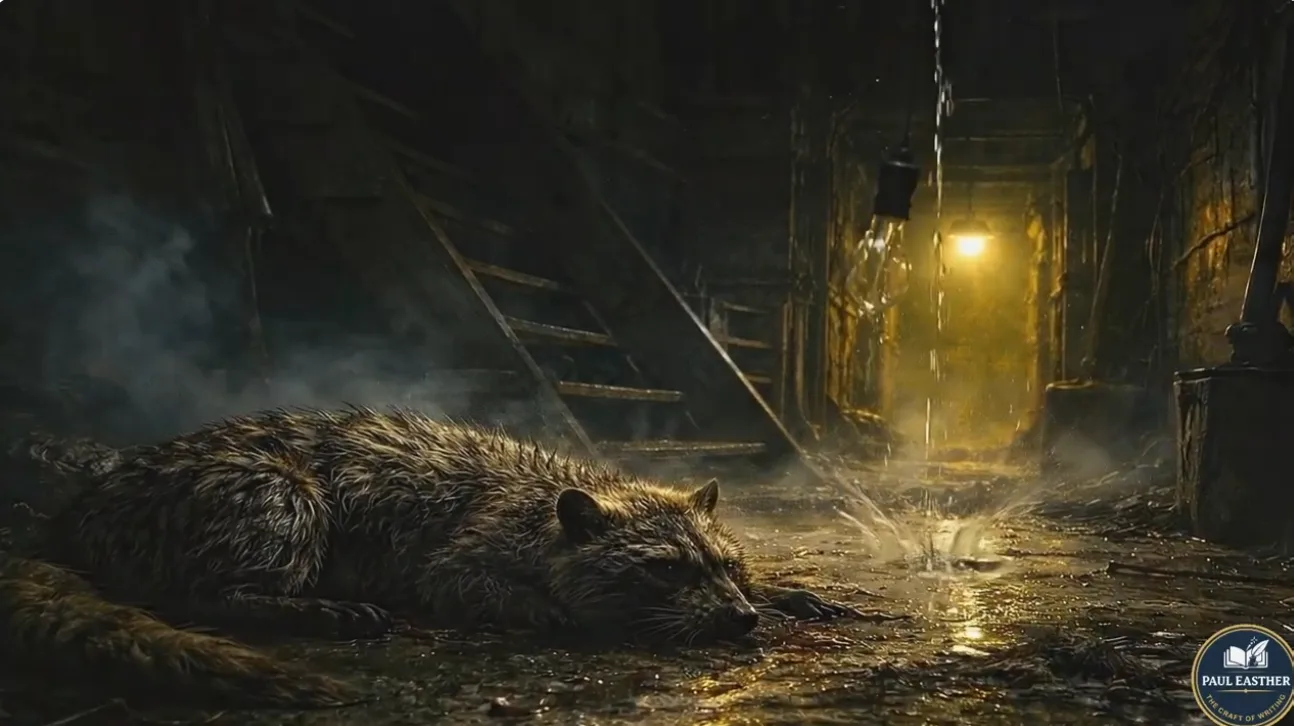
The air was thick with wet fur and something else—something rot-sweet and heavy.
This is not a Stephen King quotation, but it demonstrates the technique clearly.
Wet fur belongs to a living animal. It suggests body heat, movement, rain and breath.
The heavy sweetness of rot belongs to decomposition. It suggests stillness, elapsed time and biological collapse.
When the two smells occupy the same creature, the reader receives contradictory information:
Something living is nearby. Something dead is nearby. * They may be the same thing.
That third possibility produces the dread.
The writer has not merely invented a bad-smelling monster. They have made the monster impossible to classify.
Why Sweet Rot Is So Disturbing
Decay is often described as sickly sweet because decomposition does not produce one simple smell. It can combine foul, sour, earthy and strangely sweet notes.
The word sweet normally suggests nourishment, ripeness and pleasure. It belongs to fruit, flowers and food.
Rot represents the destruction of those things.
Joining the two ideas creates an immediate paradox. The smell appears to promise something desirable while warning that it has passed beyond safe consumption.
This is why “rot-sweet” works so well in horror even when it is used as an invented craft example. It compresses attraction and revulsion into one sensation.
The reader’s body receives two instructions:
Come closer.
Move away.
King frequently builds fear from this kind of internal conflict. His characters are drawn toward things they know they should avoid. They love people and animals whose returned bodies threaten them. Grief encourages them to ignore evidence that would otherwise be unmistakable.
The senses warn them.
Longing overrules the warning.
The Familiar Made Biologically Wrong
Many monsters are frightening because they are completely unknown.
King often chooses the opposite approach. He begins with something intimately familiar—a family pet, a child, a neighbour, a hotel, a car—and changes one essential quality.
The object remains recognisable enough to invite trust.
It becomes wrong enough to punish that trust.
Smell is ideal for creating this effect because people often detect an unhealthy or dangerous change before they can describe it.
Food looks normal but smells spoiled.
A familiar room carries an unfamiliar odour.
A loved person’s clothing smells like someone else.
The body may respond before the conscious mind accepts the change. We stop, recoil or hold our breath.
King turns that ordinary protective response into horror. The character recognises the body but no longer recognises the sensory presence inside it.
Smell as a Barometer of Dread
A barometer measures atmospheric pressure before a storm. Smell can perform the same function in a frightening scene.
The source does not need to appear immediately.
The odour can begin faintly:
The basement smelled damp.
Then acquire an animal quality:
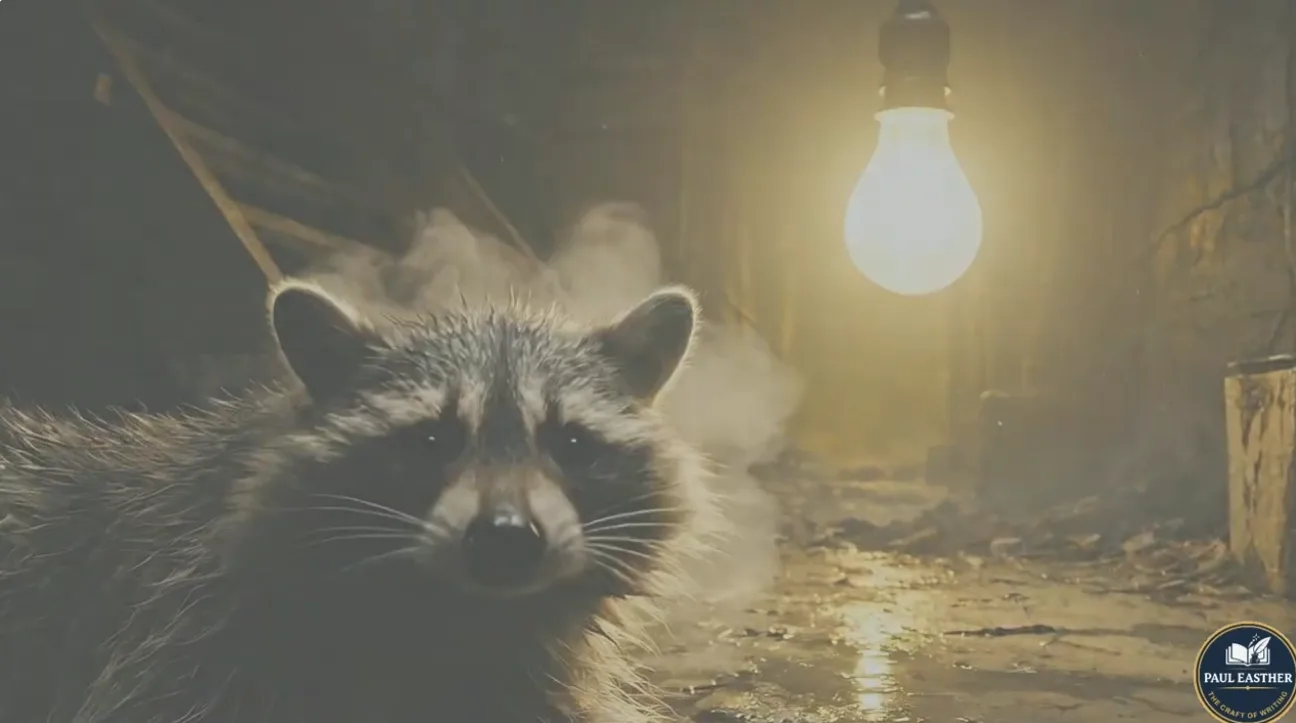
Beneath the dampness was the musk of wet fur.
Then cross into the impossible:
The animal smell carried the sweetness of meat left too long in summer heat.
Each stage increases pressure.
The reader knows the scene is becoming more dangerous even though nothing has attacked. Smell allows the monster’s influence to reach the character before its body does.
By the time the creature appears, fear has already filled the room.
Grief Against Physical Evidence
The horror in Pet Sematary is not simply that dead things return.
It is that grief makes people willing to accept their return.
Louis understands death professionally. As a doctor, he knows what happens to a body after life ends. Yet personal loss does not obey professional knowledge.
The burial ground offers something grief desperately wants: reversal.
But the returning body carries sensory evidence that the reversal is false. Smell becomes nature’s testimony. Something has moved back across the boundary, but it has not returned intact.
That makes the odour more than a frightening detail.
It is a warning Louis does not want to hear.
This is a useful lesson for writers. A sensory clue becomes dramatically powerful when a character has an emotional reason to reject it.
The question is no longer merely:
What does the smell mean?
It becomes:
What will the character risk by pretending it means nothing?
Don’t Describe the Whole Monster
One of the weakest ways to introduce a monster is to describe every feature immediately.
Height. Teeth. Claws. Eyes. Skin. Movement.
The reader receives information, but little opportunity to imagine.
Smell can delay that visual completion.
A character standing in darkness may detect:
Wet hair Mud Sour breath Blood Stagnant water Decomposing leaves Something medicinal Something sweet beneath the rot
Each smell suggests a possible body without confirming it.
The reader begins assembling the creature privately. Because the details do not fit together cleanly, the imagined result remains unstable.
Instability creates fear.
Try It Yourself: Combine Life and Death
Choose something recognisably alive:
Warm breath Wet fur Perspiration Milk Freshly cut grass Animal musk * A familiar person’s perfume
Now combine it with evidence of death or decay:
Old blood Grave soil Spoiled meat Mould Funeral flowers Cold ashes * Stagnant water
The two elements should contradict each other.
Simple version:
Something bad-smelling was in the cellar.
Paradox version:
Warm animal breath moved across her wrist, carrying the sweet cellar smell of apples collapsing in their crate.
The warmth says the creature is alive. The decaying fruit associates it with breakdown and neglect.
You can intensify the effect by adding recognition:
It smelled like the dog she had buried that morning—wet fur, warm breath and the unmistakable sweetness rising from an opened grave.
Now emotion joins the sensory conflict. The character knows what the smell resembles but cannot accept what that resemblance implies.
Make the Reader Classify the Threat
Fear becomes active when readers must interpret sensory evidence.
Don’t immediately explain that the creature is undead. Give the reader the clues:
It breathes.
Its body is warm.
Flies gather around it.
It smells of wet fur and opened earth.
The reader performs the classification and discovers that no safe category fits.
Patrick Süskind constructs a cathedral from scent. Roald Dahl turns smell into a visceral joke. Gillian Flynn makes fragrance lie. Raymond Chandler makes the air guilty. Leigh Bardugo makes an economy breathable. Toni Morrison creates the weather of the soul. Clive Barker turns smell into forensic evidence.
Stephen King makes the senses contradict one another.
Something is moving in the darkness.
Something is rotting there.
Worst of all, they are the same thing.
This is the eighth article in The Scent of a Story series.