
How a train full of convincing alibis turns the reader into an unpaid detective.
The Sense of the Mind
Writing does not only put pictures into our imagination. At its most powerful, it reaches further—into the private machinery of the mind.
A carefully placed contradiction, an unexplained detail or a character who appears slightly too convincing can create suspicion without anything happening to the reader. The story stops being something we merely observe. Our own thoughts become part of its construction.
Great writers understand this. They do not simply tell us what a character feels; they manipulate the way we think and feel.
In this Writer Mind Games series, I examine how remarkable authors achieve that effect: the device they use, the reaction it triggers and what other writers can learn from it.
Franz Kafka made us struggle to understand an impossible reality.
Agatha Christie offers us something equally irresistible:
An impossible crime—and the flattering suggestion that we might be clever enough to solve it.
Agatha Christie and Murder on the Orient Express
Published in 1934, Murder on the Orient Express places Hercule Poirot aboard one of the world’s most famous trains.
A snowdrift brings the journey to a halt. By morning, an American passenger has been murdered inside his compartment. The door was locked, the surrounding snow shows no easy route of escape, and the killer must still be aboard.
Everyone becomes a suspect.
Unfortunately, everyone seems to have an alibi.
Christie has not merely presented a murder. She has challenged the reader to a duel.
The Trigger: The Impossible Must Be Possible
“The impossible could not have happened, therefore the impossible must be possible in spite of appearances.”
This sentence plants an irresistible splinter in the reader’s mind.
If the apparently impossible cannot be true, then something we have accepted as true must be false.
A witness has lied. A clue has been misunderstood. A time is wrong. An identity is incomplete. Or perhaps several perfectly reasonable facts have been arranged to create an unreasonable conclusion.
The quotation does more than describe Poirot’s method. It quietly instructs the reader how to participate. Stop accepting appearances. Reconsider everything.
From that point on, even the smallest detail may contain a hidden door.
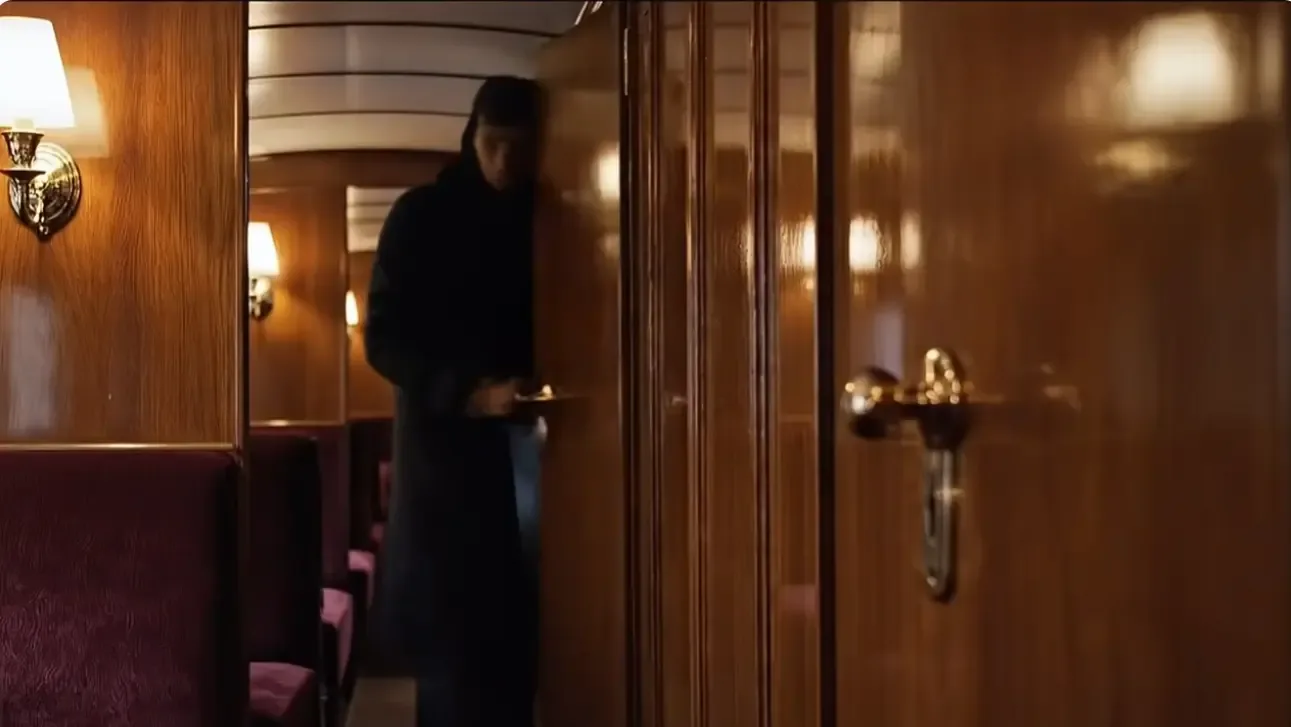
The Trick: Give Everyone an Alibi
Christie creates what is often called a closed-circle mystery.
The stranded train limits the world of the story. No new suspect can casually wander in from the street. The murderer must belong to the small group already before us.
That should make the investigation easier. Instead, it makes everyone more suspicious.
Christie then strengthens the trap by giving the passengers explanations, witnesses and alibis. Each answer appears to eliminate another possibility until reason itself seems to have reached a dead end.
But an alibi in a Christie novel performs two jobs. On the surface, it protects a suspect. Underneath, it gives the reader something to test.
Is it too precise? Does it depend upon another passenger? Does it explain only part of the night? Why was that particular detail remembered? Why are two accounts almost—but not quite—identical?
The alibi stops being an answer and becomes another clue. Every apparent solution generates another question.
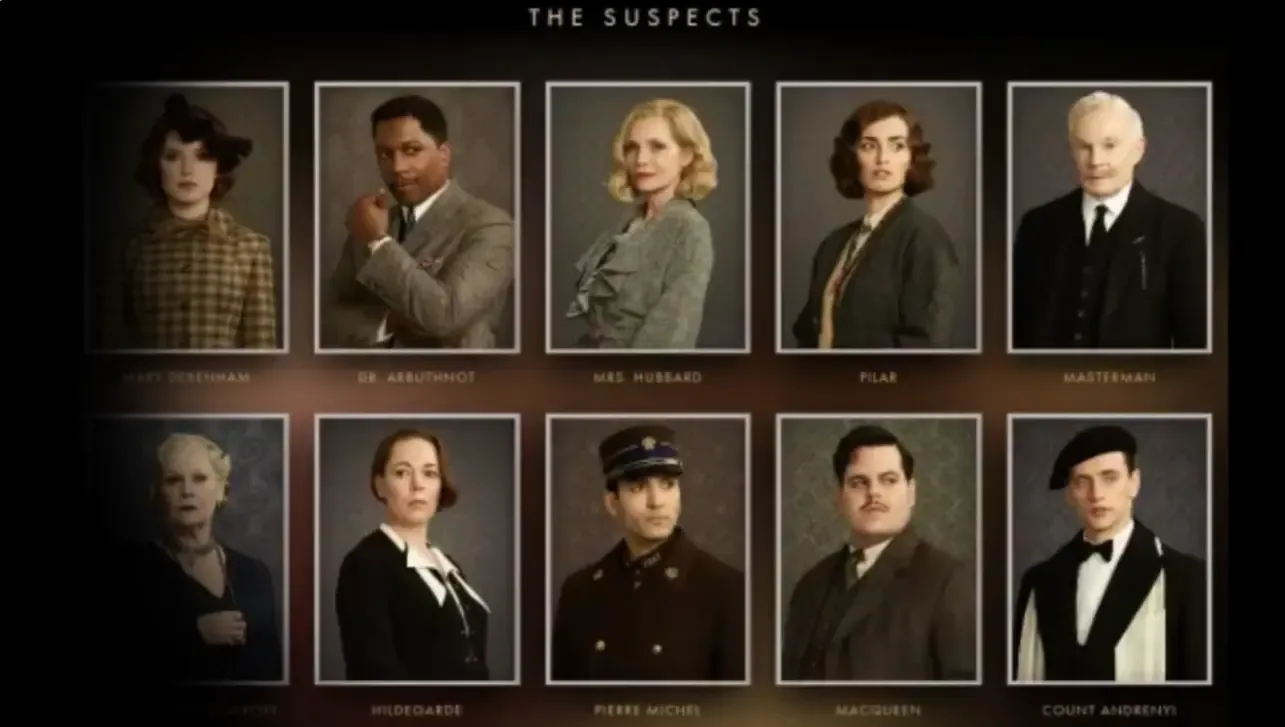
The Feeling: The Analytical Itch
At first, we are reading a story. Then something changes.
We begin measuring every sentence. A casual remark no longer feels casual. A handkerchief, uniform, watch or half-remembered sound demands examination. We start comparing testimony, looking for repetitions and trying to determine which details Christie wants us to overlook.
The reader becomes a detective.
This is the Analytical Itch: the restless feeling that the answer is present but concealed just beyond our current understanding.
Christie constantly scratches that itch without satisfying it completely. She gives us a clue, then introduces an interpretation that appears to explain it. Before we can relax, another detail disturbs the pattern.
Reading becomes active. We no longer ask only, “What happens next?” We ask:
Why did she tell me that?
That question changes our relationship with the author. We distrust nearly everyone inside the story while trusting the writer enough to keep searching.
The Red Herring Is Not Useless
A poor red herring is simply irrelevant information placed in the reader’s way.
A successful red herring matters—but not in the way we initially believe.
Christie’s clues frequently support more than one interpretation. The physical object may be genuine while the assumption attached to it is false. A witness may accurately report what was seen but misunderstand what it means.
This allows Christie to misdirect the reader without merely cheating. The evidence was there. Our interpretation was wrong.
The best revelation reorganises facts we have already encountered. The ending feels surprising in the present and inevitable in retrospect.
Why We Enjoy Being Deceived
Most of us dislike discovering that someone has manipulated us. Mystery readers willingly pay for the experience.
Christie’s deception contains an implied compliment. The clues are shown to us because we are invited to solve them. Even when Poirot defeats us, we feel that we participated in the contest.
We replay earlier scenes and recognise how easily our assumptions were guided. That creates two simultaneous reactions:
I should have seen it.
I never could have seen it.
The tension between those thoughts is part of the pleasure.
What Writers Can Learn from Christie
You do not need a corpse, a detective or a luxury train to create the Analytical Itch.
- Create a question the reader genuinely wants answered.
- Limit the possible answers so the puzzle feels solvable.
- Give every important character something to conceal.
- Place clues where they appear to serve another purpose.
- Allow evidence to support more than one interpretation.
- Make apparent answers produce better questions.
- Let the final revelation reorganise existing facts.
The essential rule is simple:
Do not hide the evidence. Hide its meaning.
Your Turn
Write a scene involving three characters and one missing object.
Each character must offer a convincing explanation. Every explanation should appear reasonable on its own, but two small details should not fit together.
Do not announce those contradictions. Place them naturally within dialogue, action or description.
Then ask yourself: What will the reader initially assume? Which detail will seem unimportant? What alternative meaning can that detail acquire later? Will the eventual truth feel both surprising and fair?
If the reader stops merely following the scene and begins examining it, you have succeeded.
You have created the Analytical Itch.
And once it begins, the reader has only one way to scratch it:
Keep reading.
Writer Mind Games explores how celebrated authors use language, structure and perspective to change what happens inside the reader’s mind.
Previously: Franz Kafka and the Brain Spin Next: Fyodor Dostoevsky and the Heavy Guilt